
Blog
saxenda 3mg dose
Mar
Saxenda 3mg USA: The Complete Guide to Liraglutide for Weight Management in 2026
saxenda 3mg dose: The landscape of weight management in the United States has been transformed by the advent of glucagon-like peptide-1 (GLP-1) receptor agonists. Among these pioneering medications, Saxenda 3mg USA holds a unique and historic position. Approved by the FDA in December 2014, Saxenda (liraglutide) was the first GLP-1 receptor agonist specifically indicated for chronic weight management, paving the way for the revolutionary class of anti-obesity medications that followed .saxenda 3mg dose
Today, as the demand for effective obesity treatments continues to surge, Saxenda remains a vital option for patients and a critical topic for healthcare providers. In August 2025, a landmark event reshaped the market: the first generic version of liraglutide injection was approved and launched in the US, making this effective therapy potentially more accessible .saxenda 3mg dose
This comprehensive guide, spanning over 4,500 words, will explore everything you need to know about Saxenda 3mg in the USA. We will delve into its mechanism of action, clinical efficacy, proper dosing, safety profile, cost and insurance considerations, and how it compares to newer agents like Wegovy and Zepbound. Whether you are a patient considering treatment or a healthcare professional seeking updated information, this article provides a thorough overview of liraglutide for weight management in the current US healthcare landscape.saxenda 3mg dose
What is Saxenda? Understanding Liraglutide
Saxenda is the brand name for liraglutide, a synthetic analogue of the naturally occurring human hormone glucagon-like peptide-1 (GLP-1) . It is important to distinguish Saxenda from its sister product, Victoza, which contains the same active ingredient (liraglutide) but is approved at a lower dose (1.2 mg or 1.8 mg) for the treatment of type 2 diabetes. Saxenda is specifically formulated and approved at a higher 3 mg daily dose for chronic weight management .saxenda 3mg dose
The Mechanism of Action: How Saxenda Works
Liraglutide is an acyl human GLP-1 analogue with 97% amino acid sequence homology to endogenous human GLP-1 . This high similarity allows it to bind to and activate the GLP-1 receptor, but with a crucial advantage: unlike natural GLP-1, which degrades within minutes, liraglutide is engineered for stability.
The pharmacokinetic profile of Saxenda is remarkable. The liraglutide molecule is designed to self-associate after injection, delaying its absorption into the bloodstream. It also binds extensively to plasma proteins (greater than 98%) and is resistant to degradation by the dipeptidyl peptidase-4 (DPP-4) enzyme that rapidly breaks down natural GLP-1. As a result, Saxenda has an elimination half-life of approximately 13 hours, making it suitable for once-daily administration .saxenda 3mg dose
Saxenda promotes weight loss through multiple interconnected mechanisms :saxenda 3mg pen
1. Appetite Regulation (Central Mechanism)
The primary driver of weight loss with Saxenda is a profound reduction in appetite. GLP-1 receptors are present in several areas of the brain involved in appetite regulation, including the hypothalamus. When Saxenda is administered peripherally, it crosses the blood-brain barrier and activates these neurons. This leads to:saxenda 3mg dose
- Increased feelings of fullness and satiety
- Decreased feelings of hunger
- Reduced prospective food consumption
2. Gastric Emptying Delay
Saxenda slows the rate at which food moves from the stomach to the small intestine. This delayed gastric emptying contributes to prolonged satiety after meals and blunts postprandial glucose spikes.saxenda 3mg dose
3. Glucose-Dependent Insulin Secretion
Like other GLP-1 agonists, Saxenda stimulates insulin secretion from the pancreatic beta-cells only when blood glucose levels are elevated. This glucose-dependent mechanism significantly reduces the risk of hypoglycemia, a common concern with other diabetes medications .
4. Glucagon Suppression
Saxenda suppresses the secretion of glucagon, a hormone that raises blood sugar, further contributing to improved glycemic control. This effect is also glucose-dependent, meaning glucagon is suppressed only when it would be beneficial .saxenda 3mg dose
5. Body Composition Effects
Clinical studies demonstrate that weight loss with Saxenda occurs primarily through loss of fat mass, with relative reductions in visceral fat (the dangerous fat surrounding internal organs) being greater than reductions in subcutaneous fat .saxenda 3mg dose
Importantly, Saxenda does not increase 24-hour energy expenditure. Its weight loss effects are driven almost entirely by reduced calorie intake, not by increasing the number of calories burned .saxenda 3mg dose
FDA Approval and Indications
The FDA originally approved Saxenda on December 23, 2014, for chronic weight management in adults with obesity or overweight in conjunction with a reduced-calorie diet and increased physical activity . In December 2020, the indication was expanded to include adolescents aged 12 to 17 years with obesity and a body weight of at least 60 kg .saxenda 3mg dose
Current Indications for Saxenda 3mg USA
Saxenda is indicated as an adjunct to a reduced-calorie diet and increased physical activity for:
- Adults: Patients with an initial body mass index (BMI) of:
- Pediatric Patients (Aged 12-17 years): Patients with a BMI corresponding to 95th percentile or greater for age and sex (obesity) and a body weight of at least 60 kg .saxenda 3mg dose
The 2025 Generic Approval: A Landmark Development
On August 29, 2025, the US weight management landscape changed significantly. The FDA approved and launched the first generic version of liraglutide injection (the same formulation as Saxenda) . This approval represents the first generic GLP-1 receptor agonist specifically indicated for weight loss in the US.saxenda 3mg dose
This development has profound implications for:
- Affordability: Generic versions typically cost 30-80% less than brand-name medications.
- Accessibility: Increased competition can lead to wider insurance coverage and reduced out-of-pocket costs.saxenda 3mg dose
- Supply: Multiple manufacturers can help alleviate the supply shortages that have plagued the GLP-1 class.
For patients seeking Saxenda 3mg USA, generic liraglutide now offers an alternative that may be more affordable while providing identical efficacy and safety.saxenda 3mg dose
Dosing and Administration: The 5-Week Escalation Schedule
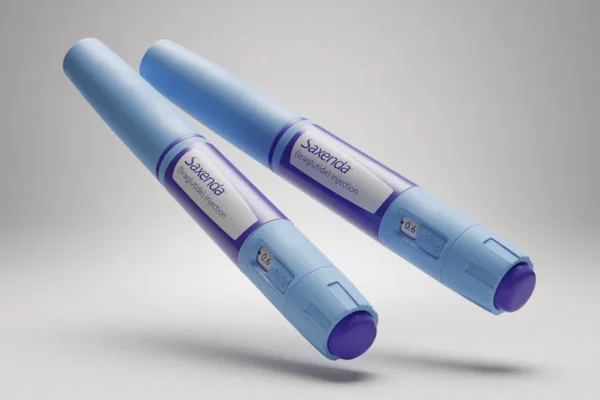
Proper dosing is critical for both efficacy and tolerability. Saxenda is available as a 6 mg/mL clear, colorless solution in a 3 mL pre-filled, single-patient-use pen that delivers doses of 0.6 mg, 1.2 mg, 1.8 mg, 2.4 mg, or 3 mg . The pen is designed for once-daily subcutaneous injection.saxenda 3mg dose
The Dose Escalation Schedule
To minimize gastrointestinal side effects—the most common reason for discontinuation—Saxenda must be initiated at a low dose and gradually increased over five weeks .
| Week | Daily Dose |
|---|---|
| Week 1 | 0.6 mg |
| Week 2 | 1.2 mg |
| Week 3 | 1.8 mg |
| Week 4 | 2.4 mg |
| Week 5 and onward | 3 mg (Maintenance Dose) |
Important Notes:
- The lower doses (0.6 mg through 2.4 mg) are for titration only and are not effective maintenance doses.
- The recommended maintenance dosage is 3 mg daily for adults .3mg saxenda
-
- If a patient cannot tolerate the 3 mg dose, the medication should be discontinued.
- If dose escalation is poorly tolerated, consider delaying escalation for approximately one additional week.saxenda 3mg dose
Pediatric Dosing Considerations
For pediatric patients (12-17 years):
- The recommended maintenance dosage is also 3 mg daily.
- If a pediatric patient cannot tolerate 3 mg daily, the maintenance dose may be reduced to 2.4 mg daily.saxenda 3mg dose
- Discontinue if the patient cannot tolerate the 2.4 mg dose.
- Dose escalation for pediatric patients may take up to 8 weeks .
Evaluating Treatment Success
Saxenda is not intended for short-term use. To ensure that patients are deriving meaningful benefit:
- For Adults: Evaluate the change in body weight 16 weeks after initiating Saxenda. Discontinue the medication if the patient has not lost at least 4% of baseline body weight, as it is unlikely that they will achieve and sustain clinically meaningful weight loss with continued treatment .
- For Pediatric Patients: Evaluate the change in BMI after 12 weeks on the maintenance dose. Discontinue if the patient has not had a reduction in BMI of at least 1% from baseline .saxenda 3mg dose
Administration Tips
- Injection Sites: The abdomen, thigh, or upper arm are acceptable injection sites. Absorption is similar across all three sites .
- Timing: Saxenda can be injected at any time of day, with or without food. Once a time is selected, it should be consistent daily.
- Needles: Saxenda pens are designed to be used with Novo Nordisk disposable needles (NovoFine), which are sold separately .
- Storage: Unused pens should be refrigerated at 36°F to 46°F (2°C to 8°C). After first use, the pen can be stored at room temperature (below 86°F/30°C) or refrigerated for up to 30 days.
Clinical Efficacy: What the Trials Show
The approval of Saxenda was based on robust clinical trial data from the SCALE (Satiety and Clinical Adiposity – Liraglutide Evidence) clinical development program, which included over 5,000 patients across multiple phase 3 trials .saxenda 3mg dose
The SCALE Clinical Trial Program
SCALE Obesity & Pre-Diabetes (Trial 1)
This 56-week trial included 3,731 patients with obesity (BMI ≥30 kg/m²) or overweight (BMI ≥27 kg/m²) with comorbidities. Results at 56 weeks showed :saxenda 3mg dose
- Mean weight loss: 8.0% with Saxenda vs. 2.6% with placebo (difference of 5.4%)
- ≥5% weight loss: 63.5% of Saxenda-treated patients vs. 26.6% of placebo-treated patients
- >10% weight loss: 32.8% of Saxenda-treated patients vs. 10.1% of placebo-treated patients
A 160-week extension of this trial demonstrated that weight loss was sustained over two years, and the risk of developing type 2 diabetes was reduced by 80% in patients with prediabetes .saxenda 3mg dose
SCALE Diabetes (Trial 2)
This 56-week trial included 846 patients with type 2 diabetes and obesity or overweight. Results showed :
- Mean weight loss: 5.4% with Saxenda vs. 1.7% with placebo
- ≥5% weight loss: 49% vs. 16.4%
- >10% weight loss: 22% vs. 6%
SCALE Sleep Apnoea (Trial 3)
This 32-week trial included 359 patients with obesity and moderate or severe obstructive sleep apnea. Saxenda significantly reduced the severity of sleep apnea as assessed by the Apnea-Hypopnea Index (AHI) .saxenda 3mg dose
SCALE Maintenance (Trial 4)
This 56-week trial included 422 patients who had achieved at least 5% weight loss during a run-in period on a low-calorie diet. Saxenda helped patients maintain their weight loss, with 81.4% of Saxenda-treated patients maintaining weight loss compared to 48.9% of placebo-treated patients .saxenda 3mg dose
Early Response Predictors
A critical finding from the SCALE trials is the predictive value of early response. Among patients who achieved ≥5% weight loss after 12 weeks on the 3 mg maintenance dose :
- 86.2% were predicted to achieve ≥5% weight loss after 1 year
- 51% were predicted to achieve ≥10% weight loss after 1 year
- The predicted mean weight loss in early responders was 11.2% of baseline body weight
Conversely, for patients who achieved <5% weight loss after 12 weeks, the proportion not reaching ≥10% weight loss after 1 year was 93.4% . This is the basis for the recommendation to discontinue therapy if adequate response is not seen by 16 weeks.saxenda 3mg dose
Cardiometabolic Benefits Beyond Weight Loss
Beyond weight reduction, Saxenda has demonstrated significant improvements in various cardiometabolic parameters :
| Parameter | Saxenda 3 mg | Placebo | Difference |
|---|---|---|---|
| Systolic Blood Pressure | -4.3 mmHg | -1.5 mmHg | -2.8 mmHg |
| Diastolic Blood Pressure | -2.7 mmHg | -1.8 mmHg | -0.9 mmHg |
| Waist Circumference | -8.2 cm | -4.0 cm | -4.2 cm |
| HbA1c (in non-diabetics) | -0.3% | -0.1% | -0.23% |
| Fasting Plasma Glucose | -0.4 mmol/L | -0.01 mmol/L | -0.38 mmol/L |
Saxenda vs. Newer GLP-1 Agonists: A Comparative Analysis
Since Saxenda’s approval in 2014, several newer GLP-1-based therapies have entered the market, offering different efficacy and dosing profiles. Understanding how Saxenda compares is essential for informed decision-making.saxenda 3mg dose
Saxenda vs. Wegovy (Semaglutide)
Both Saxenda and Wegovy are GLP-1 receptor agonists developed by Novo Nordisk, but they have distinct differences .
| Feature | Saxenda (Liraglutide) | Wegovy (Semaglutide) |
|---|---|---|
| Dosing Frequency | Once daily | Once weekly |
| Maintenance Dose | 3 mg | 2.4 mg |
| Weight Loss (STEP Trials) | ~8% at 56 weeks | ~15-16% at 68 weeks |
| FDA Approval | 2014 | 2021 |
| Cost (List Price) | $1,349.02/month | $1,349.02/month |
Efficacy Comparison:
A 68-week head-to-head trial (STEP 8) compared once-weekly semaglutide 2.4 mg to once-daily liraglutide 3 mg. The results showed :
- Semaglutide: Mean weight loss of 15.8%
- Liraglutide: Mean weight loss of 6.4%
A systematic review and meta-analysis published in 2024 confirmed that semaglutide produces a greater effect on mean weight loss compared to liraglutide .saxenda 3mg dose
Clinical Implications:
- Saxenda remains a highly effective option, particularly for patients who prefer a daily injection schedule or who may have difficulty tolerating the higher potency of semaglutide.
- Wegovy offers superior weight loss efficacy with once-weekly dosing but may have a higher risk of gastrointestinal side effects.
- Both medications share the same contraindications and similar safety profiles.
Saxenda vs. Zepbound (Tirzepatide)
Zepbound (tirzepatide) represents a newer class of dual GIP/GLP-1 receptor agonists. While Saxenda achieves approximately 8% weight loss, tirzepatide in the SURMOUNT trials achieved 15-21% weight loss depending on the dose .saxenda 3mg dose
The Role of Saxenda in 2026
Despite the advent of more potent agents, Saxenda continues to play several important roles:
- Pediatric Use: Saxenda has established safety and efficacy data in adolescents, with FDA approval for this population .saxenda 3mg dose
- Titration Familiarity: The once-daily dosing allows for more gradual titration, which some patients may tolerate better.
- Generic Availability: With generic liraglutide now available, Saxenda may be the most affordable branded GLP-1 option .
- Pregnancy Planning: Liraglutide has a shorter half-life than semaglutide or tirzepatide, allowing for quicker discontinuation when pregnancy is desired.
Safety Profile: Warnings, Precautions, and Side Effects
Understanding the safety profile of Saxenda is essential for both prescribers and patients. The medication carries several boxed warnings and requires careful patient selection and monitoring .saxenda 3mg dose
Contraindications
Saxenda is contraindicated in :
- Patients with a personal or family history of medullary thyroid carcinoma (MTC)
- Patients with Multiple Endocrine Neoplasia syndrome type 2 (MEN 2)
- Patients with a serious hypersensitivity reaction to liraglutide or any excipients
- Pregnancy
Boxed Warning: Risk of Thyroid C-Cell Tumors
Liraglutide causes dose-dependent and treatment-duration-dependent thyroid C-cell tumors (adenomas and/or carcinomas) in both genders of rats and mice at clinically relevant exposures . It is unknown whether Saxenda causes similar tumors in humans.saxenda 3mg dose
Routine monitoring of serum calcitonin or using thyroid ultrasound is of uncertain value for early detection of MTC in patients treated with Saxenda. However, if serum calcitonin is measured and found to be significantly elevated (typically >50 ng/L), further evaluation is warranted .saxenda 3mg dose
Patients should be counseled on symptoms of thyroid tumors:
- A mass in the neck
- Dysphagia (difficulty swallowing)
- Dyspnea (difficulty breathing)
- Persistent hoarseness
Acute Pancreatitis
Acute pancreatitis, including fatal and non-fatal hemorrhagic or necrotizing pancreatitis, has been observed in patients treated with liraglutide .saxenda 3mg dose
In Saxenda clinical trials:
- Acute pancreatitis was confirmed in 9 (0.3%) of 3,291 Saxenda-treated patients vs. 2 (0.1%) of 1,843 placebo-treated patients .
Clinical Recommendations:
- Observe patients carefully for signs and symptoms of pancreatitis (persistent severe abdominal pain, sometimes radiating to the back, with or without vomiting).
- If pancreatitis is suspected, promptly discontinue Saxenda.
- If pancreatitis is confirmed, do not restart Saxenda.
Acute Gallbladder Disease
Substantial or rapid weight loss can increase the risk of cholelithiasis (gallstones). In Saxenda clinical trials :saxenda 3mg dose
- Cholelithiasis: 2.2% of Saxenda-treated patients vs. 0.8% of placebo-treated patients
- Cholecystitis: 0.8% vs. 0.4%
The incidence of acute gallbladder disease was greater in Saxenda-treated patients even after accounting for the degree of weight loss.saxenda 3mg dose
Hypoglycemia
In patients without diabetes, the risk of hypoglycemia with Saxenda monotherapy is low due to its glucose-dependent mechanism. However, in patients with type 2 diabetes who are also taking insulin or insulin secretagogues (e.g., sulfonylureas), the risk of hypoglycemia is increased, including severe hypoglycemia .saxenda 3mg dose
Recommendations:
- Monitor blood glucose prior to starting Saxenda and during treatment in patients with type 2 diabetes.
- Consider reducing the dose of sulfonylurea or insulin to lower the risk of hypoglycemia.
- Educate patients on the signs and symptoms of hypoglycemia.
In the pediatric clinical trial, clinically significant hypoglycemia (blood glucose <54 mg/dL) occurred in 1.6% of Saxenda-treated patients compared to 0.8% of placebo-treated patients .saxenda 3mg dose
Common Adverse Reactions
The most frequently reported adverse reactions in clinical trials are gastrointestinal in nature and are typically dose-dependent :
| Adverse Reaction | Incidence (Saxenda) |
|---|---|
| Nausea | 39.3% |
| Diarrhea | 20.7% |
| Constipation | 19.4% |
| Vomiting | 15.7% |
| Decreased appetite | 9.4% |
| Dyspepsia (indigestion) | 8.5% |
| Headache | 7.8% |
These side effects are most common during the dose escalation period and often diminish over time as the body adjusts to the medication.saxenda 3mg dose
Renal Impairment
Liraglutide exposure is lower in patients with renal impairment. In patients with mild to severe renal impairment and end-stage renal disease, liraglutide AUC was on average 19-35% lower compared to healthy subjects . Dose adjustment is not recommended, but caution is advised.saxenda 3mg dose
Hepatic Impairment
Liraglutide exposure is also lower in patients with hepatic impairment. In patients with mild, moderate, and severe hepatic impairment, liraglutide AUC was 11%, 14%, and 42% lower, respectively .saxenda 3mg dose
Cost, Insurance, and Access in the USA
The cost of Saxenda is a critical consideration for many patients. With the 2025 approval of generic liraglutide, the financial landscape is evolving .saxenda 3mg dose
List Price
According to the manufacturer, Novo Nordisk, the list price of Saxenda is $1,349.02 for a 30-day supply (five 3 mL pre-filled pens) . This price is consistent with other brand-name GLP-1 agonists for weight loss .
However, list price rarely reflects what patients actually pay. Factors affecting out-of-pocket costs include:
- Insurance coverage
- Pharmacy discounts
- Generic availability
- Manufacturer savings programs
Saxenda Savings Card: Discontinued
It is important to note that the Saxenda Savings Card program has been discontinued by the manufacturer . Patients who previously relied on this program for $25 copays will need to explore alternative cost-saving strategies.saxenda 3mg dose
Generic Liraglutide: A New Option
With the August 2025 approval of generic liraglutide injection, patients now have access to a lower-cost alternative. Generic versions typically cost 30-80% less than brand-name medications, though exact pricing varies by pharmacy and manufacturer .saxenda 3mg dose
Insurance Coverage: A Complex Landscape
Coverage for Saxenda and generic liraglutide varies significantly by insurance type and plan.
Commercial Insurance:
Coverage for weight loss medications varies widely. Some plans cover Saxenda with prior authorization, while others exclude weight loss medications entirely . Key considerations:saxenda 3mg dose
- Prior Authorization: Most plans require documentation of BMI, comorbid conditions, and failed previous weight loss attempts.
- Plan Exclusions: If a plan excludes weight loss medications, no amount of prior authorization will secure coverage.saxenda 3mg dose
Medicare:
Medicare does not cover Saxenda or any other weight-loss medications . While Medicare covers some GLP-1 agonists (such as Ozempic and Mounjaro) for type 2 diabetes, Saxenda is specifically approved only for weight loss, making it ineligible for Medicare coverage .saxenda 3mg dose
The federal government had explored broadening Medicare coverage of GLP-1 drugs for weight loss by 2026, but this initiative was abandoned .saxenda 3mg dose
Medicaid:
Coverage for Saxenda under Medicaid varies by state . Some state Medicaid programs cover weight loss medications, while others do not. Patients should contact their state Medicaid office for specific information.saxenda 3mg dose
Cost-Saving Strategies
For patients without insurance coverage or with high out-of-pocket costs, several strategies can reduce the financial burden :
- Generic Liraglutide: With the 2025 generic approval, patients can ask their pharmacy to fill with generic liraglutide rather than brand-name Saxenda.
- 90-Day Supply: Filling a prescription for a 90-day supply often costs less per month than filling monthly. This option is only available once the maintenance dose of 3 mg is established.
- Pharmacy Discount Cards: Services like GoodRx offer coupons that can reduce the cash price. One source reports GoodRx coupons for Saxenda as low as $1,368.85 for a 30-day supply .saxenda 3mg dose
- LillyDirect for Alternatives: For patients considering tirzepatide (Zepbound), Eli Lilly offers single-dose vials of lower doses (2.5 mg and 5 mg) through LillyDirect at approximately half the price of the pen version .
- Telehealth Services: Platforms like WeightWatchers Clinic offer comprehensive care that may include medication at negotiated rates .saxenda 3mg dose
Total Spending Trends
The financial impact of GLP-1 medications in the US has been substantial. Between 2018 and 2023:
- Total US spending on GLP-1 receptor agonists rose by over 500%, from $13.7 billion to $71.7 billion.
- Spending on liraglutide increased from $0.56 billion to $0.89 billion .saxenda 3mg dose
Special Populations and Considerations
Saxenda for Weight Loss in Non-Diabetic Patients
Saxenda is approved for weight management in patients with or without type 2 diabetes. The efficacy and safety profiles differ slightly between these populations .
In Non-Diabetic Obese Patients:
- Weight loss is typically greater than in patients with diabetes.
- The risk of hypoglycemia is very low.
- Improvements in metabolic parameters include reductions in blood pressure, waist circumference, and inflammatory markers.
In Patients with Type 2 Diabetes:
- Weight loss is slightly less pronounced due to the underlying metabolic dysfunction.
- Glycemic control improves significantly.
- Hypoglycemia risk is increased if used with insulin or sulfonylureas.saxenda 3mg dose
Pediatric Use
Saxenda is approved for adolescents aged 12-17 years with obesity (BMI ≥95th percentile) and weight ≥60 kg . Key considerations for pediatric use:
- Dose escalation may take up to 8 weeks.
- The maintenance dose may be reduced to 2.4 mg if 3 mg is not tolerated.
- Discontinue if BMI reduction of at least 1% is not achieved after 12 weeks on maintenance dose.
- Clinically significant hypoglycemia occurred in 1.6% of pediatric patients in clinical trials .saxenda 3mg dose
Pregnancy and Lactation
Saxenda is contraindicated during pregnancy . Liraglutide should be discontinued at least one month before a planned pregnancy. For patients who become pregnant while taking Saxenda, treatment should be discontinued immediately.saxenda 3mg dose
Geriatric Use
Age had no effect on the pharmacokinetics of liraglutide in studies including patients up to 82 years of age . However, caution is warranted in elderly patients due to the greater frequency of decreased hepatic, renal, or cardiac function and of concomitant disease or other drug therapy.saxenda 3mg dose
Renal and Hepatic Impairment
While exposure is lower in patients with renal or hepatic impairment, no dose adjustment is recommended. However, caution is advised, particularly in patients with end-stage renal disease or severe hepatic impairment .saxenda 3mg dose
Drug Interactions
Liraglutide has a low potential for pharmacokinetic drug-drug interactions related to cytochrome P450 (CYP) and plasma protein binding . However, due to its effect on gastric emptying, it can affect the absorption of orally administered medications.saxenda 3mg dose
Clinically Relevant Interactions
Oral Contraceptives:
Liraglutide lowers ethinylestradiol and levonorgestrel Cmax by 12% and 13%, respectively, and delays Tmax by 1.5 hours. Overall exposure (AUC) is not significantly affected .saxenda 3mg dose
Digoxin:
Liraglutide reduces digoxin AUC by 16% and Cmax by 31%, with Tmax delayed from 1 to 1.5 hours .
Lisinopril:
Liraglutide reduces lisinopril AUC by 15% and Cmax by 27%, with Tmax delayed from 6 to 8 hours .
Atorvastatin:
Liraglutide decreases atorvastatin Cmax by 38% and delays Tmax from 1 to 3 hours without affecting overall AUC .saxenda 3mg dose
Acetaminophen:
Liraglutide decreases acetaminophen Cmax by 31% and delays Tmax by up to 15 minutes without affecting overall AUC .
Clinical Recommendations:
- Monitor patients on oral medications with narrow therapeutic indices when initiating Saxenda.
- The effect on absorption is most pronounced when the oral medication is taken simultaneously with Saxenda. In clinical trials, interacting drugs were often administered 5-8 hours after liraglutide to minimize interactions .saxenda 3mg dose
What Happens When You Stop Saxenda?
An important question for patients and providers is the durability of weight loss after treatment discontinuation. The data consistently show that weight regain occurs when GLP-1 agonists are discontinued .
In the STEP 1 extension trial for semaglutide (a similar mechanism), patients who stopped the medication regained approximately two-thirds of the weight they had lost within a year . The SCALE Maintenance trial for Saxenda similarly demonstrated that patients who continued treatment maintained weight loss, while those switched to placebo regained weight .saxenda 3mg dose
This phenomenon reflects the mechanism of action: GLP-1 agonists suppress appetite but do not permanently alter the body’s weight set point. When the medication is discontinued, the underlying appetite signals return, and weight regain is common .saxenda 3mg dose
Clinical Implications:
- Saxenda is intended for chronic weight management, not short-term use.
- Patients should be counseled that long-term treatment is typically required to sustain weight loss.
- Discontinuation may be appropriate for patients who do not achieve adequate response (≥4% weight loss by 16 weeks) or who experience intolerable side effects.saxenda 3mg dose
Ethical and Societal Considerations
The expanding use of GLP-1 agonists raises important ethical and societal questions .
Access and Health Disparities
With monthly costs of $1,000-$1,500, these medications remain unaffordable for many uninsured or low-income patients, widening existing health disparities. The 2025 generic approval represents a step toward improved access, but affordability remains a barrier .saxenda 3mg dose
Drug Shortages
Widespread off-label or lifestyle-driven use of GLP-1 agonists can contribute to drug shortages, limiting access for patients with established medical indications such as type 2 diabetes .saxenda 3mg dose
The Medicalization of Body Image
The rapid commercialization and social-media promotion of GLP-1 agonists raise moral questions about the medicalization of normal body image and the potential reinforcement of obesity-related stigma .
Frequently Asked Questions (FAQs)
Q1: How much weight can I expect to lose on Saxenda?
In clinical trials, patients lost an average of 8% of their baseline body weight (approximately 8.4 kg or 18.5 lbs) at 56 weeks . Approximately 63.5% of patients lost at least 5% of their body weight, and 32.8% lost more than 10%.
Q2: How long does it take Saxenda to start working?
Saxenda begins working immediately, but the dose must be escalated over 5 weeks to reach the full 3 mg maintenance dose. The most significant weight loss occurs during the first several months of treatment. Early response at 12 weeks (≥5% weight loss) predicts long-term success .saxenda 3mg dose
Q3: Is Saxenda safe for long-term use?
Saxenda is approved for chronic weight management. The SCALE trial demonstrated sustained weight loss and safety over 160 weeks (approximately 3 years) of treatment . However, long-term safety monitoring is essential, particularly regarding thyroid C-cell tumors.saxenda 3mg dose
Q4: Does Saxenda cause hair loss?
Hair loss (alopecia) is not a commonly reported adverse reaction in clinical trials but has been reported by some patients. This is typically a transient effect associated with rapid weight loss rather than a direct effect of the medication.saxenda 3mg dose
Q5: Can I take Saxenda if I have type 2 diabetes?
Yes. Saxenda is approved for weight management in patients with type 2 diabetes. However, blood glucose should be monitored, and doses of insulin or sulfonylureas may need to be adjusted to reduce the risk of hypoglycemia .saxenda 3mg dose
Q6: Is generic Saxenda available in the USA?
Yes. The first generic version of liraglutide injection was approved and launched in the US in August 2025 . This offers a more affordable alternative to brand-name Saxenda.
Q7: Does Medicare cover Saxenda?
No. Medicare does not cover Saxenda or any other weight-loss medications. Saxenda is approved only for weight loss, making it ineligible for Medicare coverage .
Q8: What is the difference between Saxenda and Victoza?
Both contain liraglutide, but they are approved for different indications. Saxenda is approved for weight management at a dose of 3 mg daily. Victoza is approved for type 2 diabetes at doses of 1.2 mg or 1.8 mg daily .
Q9: Can I switch from Saxenda to Wegovy?
Switching may be possible under medical supervision. The two medications have different dosing frequencies and potencies, so guidance from a healthcare provider is essential .
Q10: What should I do if I miss a dose?
If you miss a dose of Saxenda, take it as soon as you remember. If it has been more than 12 hours since your missed dose, skip the dose and take your next dose the following day. Do not take an extra dose to make up for a missed dose.saxenda 3mg dose
Conclusion: The Evolving Role of Saxenda in 2026
Saxenda holds a unique place in the history of obesity pharmacotherapy. As the first GLP-1 receptor agonist approved for weight management, it demonstrated that targeting the gut-brain axis could produce clinically meaningful and sustained weight loss. Since its 2014 approval, the field has advanced with the introduction of more potent once-weekly agents, yet Saxenda remains an important clinical tool.
The August 2025 approval of generic liraglutide represents a watershed moment. For the first time, patients in the USA have access to a lower-cost GLP-1 option for weight management . This development has the potential to expand access, reduce disparities, and provide a more sustainable option for long-term treatment.saxenda 3mg dose
For patients considering Saxenda 3mg in the USA, the current landscape offers both opportunities and challenges. The medication is effective, with a well-established safety profile and decades of clinical experience. The availability of generic versions improves affordability. However, navigating insurance coverage, managing gastrointestinal side effects, and understanding the need for chronic treatment remain important considerations.saxenda 3mg dose
As the field continues to evolve with the emergence of triple agonists like retatrutide and dual agonists like tirzepatide, Saxenda’s role may shift. But for many patients—particularly adolescents, those who prefer once-daily dosing, and those seeking a more affordable entry point into GLP-1 therapy—Saxenda and its new generic counterparts will remain valuable options in the fight against obesity.
As always, decisions about weight management medications should be made in partnership with a qualified healthcare provider who can assess individual medical history, goals, and insurance coverage.
Table of Contents
