
Blog
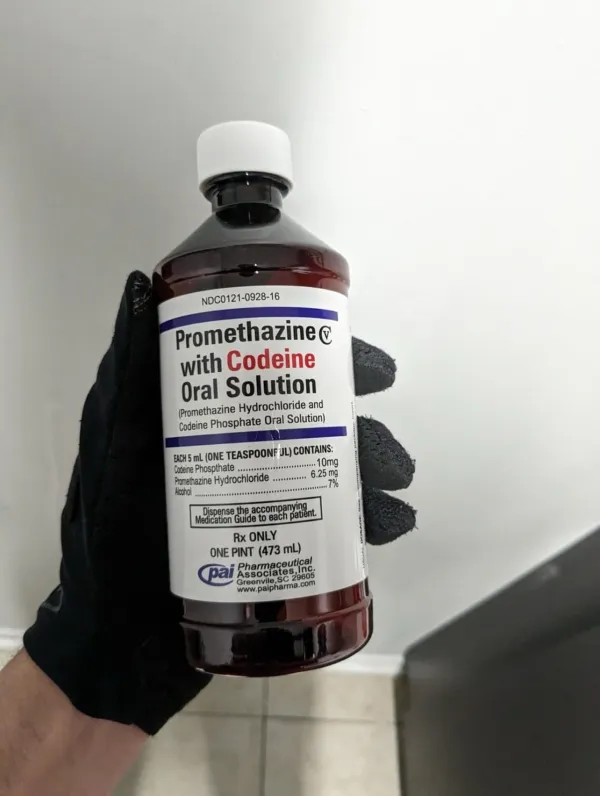
pai pharmaceuticals promethazine with codeine
Mar
Promethazine with Codeine (PAI) in the USA: Uses, Safety, and Regulatory Status
pai pharmaceuticals promethazine with codeine: Discover everything you need to know about Promethazine with Codeine Oral Solution from PAI Holdings in the USA. Learn about FDA-approved uses, boxed warnings, dosing, risks, and safety precautions.pai pharmaceuticals promethazine with codeine
Introduction
When the cold and flu season arrives, millions of Americans seek relief from persistent coughs and upper respiratory symptoms. Among the prescription options available, Promethazine with Codeine Oral Solution has been a mainstay in clinical practice for decades. Marketed by PAI Holdings, LLC (dba PAI Pharma) , this combination medication represents a potent therapeutic option that demands respect and understanding .pai pharmaceuticals promethazine with codeine
But what exactly is this medication? How does it work? And why has its use become increasingly restricted in recent years?
In this comprehensive 5,000-word guide, we will explore every aspect of Promethazine with Codeine (PAI) available in the USA. We will examine its clinical pharmacology, FDA-approved indications, proper dosing, critical boxed warnings, and the significant regulatory changes that have shaped its use. Whether you’re a patient prescribed this medication, a caregiver, or a healthcare professional seeking detailed information, this guide provides the authoritative answers you need.pai pharmaceuticals promethazine with codeine
1. Who is PAI Holdings? The Manufacturer Behind the Medication
Company Overview
PAI Holdings, LLC, operating as PAI Pharma, is a pharmaceutical company with a significant presence in the United States market. The company specializes in the manufacture of prescription pharmaceutical products, including oral solutions and suspensions .pai pharmaceuticals promethazine with codeine
According to FDA records, PAI Holdings is the labeler and distributor of Promethazine with Codeine Oral Solution, identified by the National Drug Code (NDC) 0121-0928-16 for the 473 mL (one pint) bottle .pai pharmaceuticals promethazine with codeine
FDA Registration and Compliance
PAI Holdings maintains an active establishment registration with the FDA under DUNS number 044940096. The company’s products are marketed under Abbreviated New Drug Application (ANDA) 040650, indicating that this formulation meets FDA standards for safety, efficacy, and quality as a generic equivalent .pai pharmaceuticals promethazine with codeine
2. What Is Promethazine with Codeine (PAI)? Understanding the Product
Proper Name and Classification
The product is officially named Promethazine with Codeine Oral Solution. It is a prescription-only medication (Rx) and is classified as a Schedule CV controlled substance due to the presence of codeine .pai pharmaceuticals promethazine with codeine
Formulation and Ingredients
According to the FDA-approved labeling, each 5 mL (one teaspoonful) of this clear, purple solution contains :pai pharmaceuticals promethazine with codeine
| Ingredient | Amount per 5 mL | Purpose |
|---|---|---|
| Codeine Phosphate | 10 mg | Opioid antitussive (cough suppressant) |
| Promethazine Hydrochloride | 6.25 mg | Phenothiazine antihistamine |
| Alcohol | 7% | Solvent/preservative |
Inactive Ingredients
The syrup contains several inactive ingredients that contribute to its stability, palatability, and preservation :pai pharmaceuticals promethazine with codeine
- Alcohol
- Ascorbic Acid
- Anhydrous Citric Acid
- FD&C Blue No. 1
- FD&C Red No. 3
- Menthol
- Methylparaben
- Propylene Glycol
- Propylparaben
- Saccharin Sodium
- Sodium Benzoate
- Sodium Citrate
- Sucrose
- Water
What It Is NOT
It is important to clarify that Promethazine with Codeine (PAI) is not :pai pharmaceuticals promethazine with codeine
- An over-the-counter (OTC) medication
- A treatment for asthma or lower respiratory conditions
- Safe for children under 12 years of age
- Appropriate for postoperative pain management in children
3. FDA-Approved Indications: What Promethazine with Codeine Treats
Primary Indications
According to the FDA-approved labeling, Promethazine with Codeine Oral Solution is indicated for the temporary relief of coughs and upper respiratory symptoms associated with allergy or the common cold in patients 18 years of age and older .pai pharmaceuticals promethazine with codeine
Important Limitations of Use
The FDA has established strict limitations on the use of this medication :
- Not indicated for pediatric patients under 18 years of age
- Contraindicated in pediatric patients under 12 years of age
- Contraindicated in pediatric patients 12 to 18 years of age after tonsillectomy and/or adenoidectomy
Risk-Benefit Consideration
The labeling emphasizes: “Because of the risks of addiction, abuse, and misuse with opioids, even at recommended doses, reserve Promethazine with Codeine Oral Solution for use in adult patients for whom the benefits of cough suppression are expected to outweigh the risks, and in whom an adequate assessment of the etiology of the cough has been made” .pai pharmaceuticals promethazine with codeine
4. Clinical Pharmacology: How Promethazine with Codeine Works
Mechanism of Action
To understand how Promethazine with Codeine provides relief, we must examine its two active ingredients .pai pharmaceuticals promethazine with codeine
Codeine Phosphate
Codeine is an opioid agonist that acts as a potent antitussive. It works centrally, meaning it targets the brain. Specifically, it depresses the medullary cough center, raising the threshold for incoming cough impulses. Essentially, it tells the brain to stop triggering the cough reflex .pai pharmaceuticals promethazine with codeine
Promethazine Hydrochloride
Promethazine is a phenothiazine antihistamine. It works by blocking H1 histamine receptors. When you encounter an allergen, your body releases histamine, which causes itching, sneezing, and runny nose. By blocking these receptors, promethazine prevents these symptoms. It also has significant sedative properties .pai pharmaceuticals promethazine with codeine
Pharmacokinetics: Absorption and Elimination
Understanding how the body processes Promethazine with Codeine helps patients and providers use it effectively .pai pharmaceuticals promethazine with codeine
Absorption:
- Codeine: Maximum plasma concentration occurs approximately 60 minutes after administration. Food does not significantly impact absorption .
- Promethazine: Clinical effects are apparent within 20 minutes after oral administration .
Distribution:
- Codeine: Volume of distribution of approximately 3 to 6 L/kg, indicating extensive tissue distribution. Plasma protein binding is low at 7-25% .
- Promethazine: Widely distributed in body tissues with high protein binding of 80-93% .
Both drugs cross the blood-brain barrier and the placental barrier. Small amounts transfer to human breast milk .pai pharmaceuticals promethazine with codeine
Duration of Action:
- Codeine: Effects last approximately 4-6 hours .
- Promethazine: Effects generally last 4-6 hours, but may persist up to 12 hours .
Elimination:
- Codeine: Approximately 90% excreted through the kidneys, with about 10% unchanged. Plasma half-life is approximately 3 hours .
- Promethazine: Elimination half-life of 10-14 hours, with metabolites appearing in urine and feces .pai pharmaceuticals promethazine with codeine
5. The Metabolism of Codeine: Understanding CYP2D6 Variability
The Prodrug Concept
Codeine is a prodrug, meaning it must be converted by the liver enzyme CYP2D6 into its active form, morphine, to produce its therapeutic (and toxic) effects .
Genetic Variability: Ultra-Rapid Metabolizers
Not everyone metabolizes codeine at the same rate. This genetic variation has life-or-death consequences .pai pharmaceuticals promethazine with codeine
- Normal Metabolizers: Convert codeine to morphine at a standard rate.
- Poor Metabolizers: Convert little to no codeine to morphine, resulting in reduced therapeutic effect.
- Ultra-Rapid Metabolizers: Individuals with a specific genotype (CYP2D6 gene duplication) convert codeine into morphine much more rapidly and completely. This leads to higher than expected serum morphine levels, which can result in fatal respiratory depression even at standard prescription doses .pai pharmaceuticals promethazine with codeine
Prevalence by Ethnicity
The prevalence of the ultra-rapid metabolizer phenotype varies widely by population :
- 1-10% of Whites (European, North American)
- 3-4% of Blacks (African Americans)
- 1-2% of East Asians (Chinese, Japanese, Korean)
- Greater than 10% in certain ethnic groups (Oceanian, Northern African, Middle Eastern, Ashkenazi Jews, Puerto Rican)pai pharmaceuticals promethazine with codeine
Clinical Significance
This genetic variability is the reason behind the FDA’s strongest warnings. Life-threatening respiratory depression and death have occurred in children who received codeine, with many having evidence of being ultra-rapid metabolizers .pai pharmaceuticals promethazine with codeine
6. The Boxed Warning: Understanding the Risks
The FDA requires a Black Box Warning—the agency’s most stringent warning—on Promethazine with Codeine Oral Solution. This warning covers multiple serious risks .
1. Addiction, Abuse, and Misuse
Promethazine with Codeine exposes users to the risks of opioid addiction, abuse, and misuse, which can lead to overdose and death. Healthcare providers must assess each patient’s risk before prescribing and monitor regularly for these behaviors .
2. Life-Threatening Respiratory Depression
Serious, life-threatening, or fatal respiratory depression may occur, even at recommended doses. Monitoring is essential, especially during initiation of therapy .pai pharmaceuticals promethazine with codeine
3. Accidental Ingestion
Accidental ingestion of even one dose, especially by children, can result in a fatal overdose of codeine .pai pharmaceuticals promethazine with codeine
4. Ultra-Rapid Metabolism in Children
Life-threatening respiratory depression and death have occurred in children who received codeine. Most cases followed tonsillectomy and/or adenoidectomy, and many children were ultra-rapid metabolizers .
The medication is:
- Contraindicated in children younger than 12 years
- Contraindicated in children younger than 18 years following tonsillectomy and/or adenoidectomy
5. Promethazine and Respiratory Depression in Children
Postmarketing cases of respiratory depression, including fatalities, have been reported with promethazine use in pediatric patients. Children may be particularly sensitive to additive respiratory depression when promethazine is combined with codeine .pai pharmaceuticals promethazine with codeine
6. Medication Errors
Dosing errors can result in accidental overdose and death. Always use an accurate milliliter measuring device, not a household teaspoon .
7. Drug Interactions with CYP450 Enzymes
Concomitant use or discontinuation of CYP3A4 inducers, 3A4 inhibitors, or 2D6 inhibitors with codeine has complex effects. Avoid use in patients taking these medications .pai pharmaceuticals promethazine with codeine
8. Concomitant Use with Benzodiazepines or Other CNS Depressants
Combining opioids with benzodiazepines, other CNS depressants, or alcohol may result in profound sedation, respiratory depression, coma, and death. Avoid such combinations .pai pharmaceuticals promethazine with codeine
9. Neonatal Opioid Withdrawal Syndrome
Prolonged use during pregnancy can result in neonatal opioid withdrawal syndrome, which may be life-threatening if not recognized and treated .
7. Contraindications: When NOT to Use Promethazine with Codeine
Absolute Contraindications
Promethazine with Codeine Oral Solution is contraindicated in :
- Children younger than 12 years of age
- Children younger than 18 years of age following tonsillectomy and/or adenoidectomy
- Patients with significant respiratory depression
- Patients with acute or severe bronchial asthma in an unmonitored setting or without resuscitative equipment
- Patients with known or suspected gastrointestinal obstruction, including paralytic ileus
- Patients receiving monoamine oxidase inhibitor (MAOI) therapy or within 14 days of such therapy
- Patients with a history of idiosyncratic reaction to promethazine or other phenothiazines
- Patients with hypersensitivity to codeine, other opiates, promethazine, or any inactive ingredients
Conditions Requiring Extreme Caution
While not absolute contraindications, the following require careful risk assessment :
- Head injury, impaired consciousness, or increased intracranial pressure
- Chronic pulmonary disease
- Elderly, cachectic, or debilitated patients
- Seizure disorders
- Bone marrow depression
- Severe renal or hepatic impairment
8. Proper Dosage and Administration
Recommended Dosage
According to the FDA-approved labeling :
| Patient Population | Recommended Dose | Frequency | Maximum Daily Dose |
|---|---|---|---|
| Adults 18 years and older | 5 mL | Every 4-6 hours as needed | 30 mL (6 doses) |
Critical Administration Instructions
- Use an Accurate Measuring Device: Always use an accurate milliliter measuring device. A household teaspoon is not accurate and can lead to overdosage.
- Do Not Increase Dose: Do not increase the dose or dosing frequency. If cough fails to respond, the patient should be reevaluated for possible underlying pathology.pai pharmaceuticals promethazine with codeine
- Shortest Duration: Prescribe for the shortest duration consistent with treatment goals.
- Reevaluate Unresponsive Cough: Patients with unresponsive cough should be reevaluated within 5 days or sooner.pai pharmaceuticals promethazine with codeine
- Reevaluate Before Refilling: Assess the need for continued treatment, adverse reactions, and signs of addiction or abuse before authorizing refills.
Discontinuation of Therapy
Do not abruptly discontinue in physically-dependent patients. When therapy is no longer needed, taper the dose gradually by 25% to 50% every 2 to 4 days while monitoring for withdrawal symptoms .
9. Warnings and Precautions: A Comprehensive Overview
Life-Threatening Respiratory Depression
Respiratory depression is the primary risk of opioid therapy. It is dose-related and occurs most frequently in patients with underlying pulmonary disease or those taking other CNS depressants. Monitor closely, especially within the first 24-72 hours of initiating therapy .
Activities Requiring Mental Alertness
Promethazine with Codeine may cause marked drowsiness, impairing mental and physical abilities. Patients should avoid driving, operating machinery, or engaging in hazardous activities .
Interactions with CNS Depressants
Concomitant use with benzodiazepines, other opioids, alcohol, or sedatives increases the risk of respiratory depression, profound sedation, coma, and death. Avoid concurrent use .
Risks in Patients with Head Injury
Opioids may increase intracranial pressure and obscure the clinical course of head injuries. Avoid use in patients with head injury, impaired consciousness, or increased intracranial pressure .pai pharmaceuticals promethazine with codeine
Neuroleptic Malignant Syndrome (NMS)
Promethazine, as a phenothiazine, has been associated with NMS, a rare but life-threatening condition characterized by hyperthermia, muscle rigidity, altered mental status, and autonomic instability .pai pharmaceuticals promethazine with codeine
Seizures
Promethazine may lower the seizure threshold. Use with caution in patients with seizure disorders .pai pharmaceuticals promethazine with codeine
Severe Hypotension
Opioids may cause severe hypotension, including orthostatic hypotension and syncope. Use with caution in patients with hypovolemia or concurrent medication that compromises vasomotor tone .
Adrenal Insufficiency
Opioids have been associated with adrenal insufficiency. If diagnosed, treat with physiologic replacement corticosteroids and wean the patient from the opioid .
Bone Marrow Depression
Use with caution in patients with bone marrow depression. Promethazine should be discontinued if leukopenia or agranulocytosis occurs .
Paradoxical Reactions
Promethazine may cause paradoxical reactions (hyperexcitability and abnormal movements) in some patients. Discontinue if these occur .
Drug Dependence and Abuse Potential
Promethazine with Codeine contains codeine, a Schedule CV controlled substance with abuse potential similar to other opioids. Physical dependence and tolerance may develop upon repeated use .pai pharmaceuticals promethazine with codeine
10. Adverse Reactions
Common Adverse Reactions
According to clinical trials and post-marketing experience, common adverse effects include :
| Body System | Adverse Effects |
|---|---|
| Central Nervous System | Sedation (somnolence, mental clouding, lethargy), impaired mental and physical performance, lightheadedness, dizziness, headache |
| Gastrointestinal | Dry mouth, nausea, vomiting, constipation |
| Respiratory | Shortness of breath |
| Dermatologic | Sweating |
Serious Adverse Reactions
Rare but serious adverse reactions include :pai pharmaceuticals promethazine with codeine
- Severe respiratory depression
- Neuroleptic Malignant Syndrome
- Seizures
- Severe hypotension
- Anaphylaxis
- Agranulocytosis
- Paradoxical CNS stimulation
Reporting Adverse Reactions
Healthcare providers and patients should report serious adverse reactions to:
11. Drug Interactions: What to Avoid
CYP450 Enzyme Interactions
The metabolism of codeine involves CYP3A4 and CYP2D6. Interactions with drugs affecting these enzymes can alter morphine exposure .pai pharmaceuticals promethazine with codeine
| Drug Class | Effect | Recommendation |
|---|---|---|
| CYP3A4 Inhibitors | Increased codeine plasma concentration | Avoid concomitant use |
| CYP3A4 Inducers | Decreased codeine plasma concentration | Avoid concomitant use |
| CYP2D6 Inhibitors | Reduced morphine formation; decreased efficacy | Avoid concomitant use |
Benzodiazepines and CNS Depressants
Concomitant use increases the risk of profound sedation, respiratory depression, coma, and death. Avoid such combinations .
Serotonergic Drugs
Concomitant use may result in serotonin syndrome. Discontinue if serotonin syndrome is suspected .
MAOIs
Concomitant use or use within 14 days of MAOI therapy is contraindicated due to risk of serotonin syndrome and enhanced CNS depression .pai pharmaceuticals promethazine with codeine
Muscle Relaxants
Codeine may enhance the neuromuscular blocking action of skeletal muscle relaxants, increasing respiratory depression. Avoid concomitant use .pai pharmaceuticals promethazine with codeine
Diuretics
Codeine may reduce the efficacy of diuretics by inducing antidiuretic hormone release. Monitor for reduced diuretic effect .pai pharmaceuticals promethazine with codeine
Anticholinergic Drugs
Concurrent use may increase the risk of paralytic ileus .
Alcohol
Do not consume alcohol while taking Promethazine with Codeine. The combination can result in profound sedation, respiratory depression, and death .
12. Use in Specific Populations
Pregnancy
Pregnancy Category: Not assigned. Promethazine with Codeine is not recommended for use in pregnant women .
Neonatal Opioid Withdrawal Syndrome: Prolonged use during pregnancy can result in neonatal opioid withdrawal syndrome, which may be life-threatening. Symptoms include irritability, hyperactivity, abnormal sleep pattern, high-pitched cry, tremors, vomiting, diarrhea, and failure to gain weight .pai pharmaceuticals promethazine with codeine
Labor and Delivery: Opioids cross the placenta and may produce respiratory depression in neonates. Not recommended during labor and delivery .pai pharmaceuticals promethazine with codeine
Lactation
Breastfeeding is not recommended during treatment with Promethazine with Codeine .
Codeine and its active metabolite, morphine, are present in human milk. Published studies have reported excessive sedation, respiratory depression, and death in infants exposed to codeine via breast milk. Women who are ultra-rapid metabolizers achieve higher serum morphine levels, potentially leading to higher levels in breast milk that can be dangerous for breastfed infants .pai pharmaceuticals promethazine with codeine
If infants are exposed, monitor for excess sedation and respiratory depression.
Pediatric Use
Promethazine with Codeine is not indicated for pediatric patients under 18 years of age .
- Contraindicated in children younger than 12 years
- Contraindicated in children younger than 18 years following tonsillectomy and/or adenoidectomy
Life-threatening respiratory depression and death have occurred in children receiving codeine. Promethazine use in pediatric patients has also been associated with respiratory depression fatalities .
Geriatric Use
Clinical studies did not include sufficient numbers of subjects aged 65 and over to determine whether they respond differently. Elderly patients are more likely to have decreased renal function and concomitant diseases, increasing sensitivity to codeine .pai pharmaceuticals promethazine with codeine
Renal and Hepatic Impairment
Use with caution in patients with severe renal or hepatic impairment. Accumulation of codeine or its metabolites may occur .
13. Overdosage: Signs and Management
Clinical Presentation
Codeine overdosage is characterized by :
- Respiratory depression (decreased respiratory rate and/or tidal volume, Cheyne-Stokes respiration, cyanosis)
- Extreme somnolence progressing to stupor or coma
- Skeletal muscle flaccidity
- Cold and clammy skin
- Constricted pupils
- Bradycardia and hypotension
- Pulmonary edema
- Death
Promethazine overdosage may cause CNS depression, seizures, anticholinergic effects, and cardiac toxicity.
Management
Immediate treatment includes :
- Airway support: Establish a patent airway and assist ventilation as needed
- Opioid antagonist: Administer naloxone if clinically significant respiratory or circulatory depression occurs
- Supportive measures: IV fluids, vasopressors if needed
- Gastric decontamination: Consider activated charcoal if ingestion is recent
Duration of Monitoring
Patients should be monitored for at least 24-48 hours beyond the estimated time of naloxone administration due to the long duration of action of codeine .pai pharmaceuticals promethazine with codeine
14. Storage and Handling
Storage Requirements
- Temperature: Store at 20°C to 25°C (68°F to 77°F); USP Controlled Room Temperature
- Container: Keep bottles tightly closed in a tight, light-resistant container
- Protection: Protect from light
Dispensing Requirements
Dispense with a child-resistant closure as defined in the USP. Ensure patients have an accurate milliliter measuring device .
DEA Requirements
A DEA order form is required for procurement .
Disposal
Properly dispose of unused medication in accordance with local guidelines. Do not flush unless specifically instructed .
15. Patient Counseling Information
Information for Patients
Healthcare providers should counsel patients on the following key points :
Addiction, Abuse, and Misuse:
Inform patients that use, even as recommended, can result in addiction, abuse, and misuse. Instruct patients not to share the medication and to protect it from theft.
Proper Measurement:
Always use an accurate milliliter measuring device. A household teaspoon is not accurate and can lead to overdosage. Ask a pharmacist for an appropriate device.
Respiratory Depression:
Understand the risk of life-threatening respiratory depression and seek medical attention immediately if breathing difficulties develop.
Accidental Ingestion:
Store securely to prevent accidental ingestion by children, which can be fatal.
Pediatric Contraindications:
Caregivers should understand that this medication is not for children under 18 and is contraindicated in those under 12.
Driving and Machinery:
Avoid driving, operating machinery, or engaging in hazardous activities due to marked drowsiness.
Drug Interactions:
Avoid concomitant use with benzodiazepines, other CNS depressants, or alcohol, as this can be fatal.
Constipation:
Be aware of the potential for severe constipation and discuss management with a healthcare provider.
Pregnancy and Breastfeeding:
Inform female patients that use during pregnancy is not recommended and can result in neonatal opioid withdrawal syndrome. Breastfeeding is not recommended during treatment.
Disposal:
Properly dispose of unused medication according to local guidelines.
16. The Two Formulations: Promethazine with Codeine vs. Promethazine VC with Codeine
It is important to distinguish between two similar but distinct products from PAI Holdings .
Promethazine with Codeine Oral Solution
- NDC: 0121-0928-16
- Active Ingredients: Codeine Phosphate (10 mg/5 mL), Promethazine HCl (6.25 mg/5 mL)
- Alcohol: 7%
- Appearance: Clear, purple solution
- Indication: Temporary relief of coughs and upper respiratory symptoms associated with allergy or the common cold
Promethazine VC with Codeine Oral Solution
- NDC: 0121-0925-16
- Active Ingredients: Codeine Phosphate (10 mg/5 mL), Promethazine HCl (6.25 mg/5 mL), Phenylephrine HCl (5 mg/5 mL)
- Alcohol: 7%
- Appearance: Clear, reddish-orange solution
- Indication: Temporary relief of coughs and upper respiratory symptoms, including nasal congestion
The “VC” formulation contains phenylephrine, a decongestant, making it appropriate when nasal congestion accompanies cough.
17. Regulatory History: Major FDA Changes
1952: Initial U.S. Approval
Promethazine with Codeine was initially approved in the United States in 1952 .
2017-2018: Major Safety Labeling Changes
Significant changes to the boxed warning and indications occurred in 2017 and 2018 .
August 2017:
- Boxed warning updated regarding ultra-rapid metabolism in children
- Contraindication added for children younger than 12 years
- Contraindication added for children younger than 18 years following tonsillectomy/adenoidectomy
June 2018:
- Indication restricted to patients 18 years and older
- Pediatric dosing information removed entirely
- Updated warnings regarding promethazine and respiratory depression in children
Current Status
As of the most recent labeling (revised October 2024), Promethazine with Codeine Oral Solution is indicated only for adults 18 years and older for temporary relief of cough associated with allergy or common cold .
18. Frequently Asked Questions (FAQ)
Q1: Is Promethazine with Codeine (PAI) available over the counter?
A: No. Promethazine with Codeine is a prescription-only (Rx) medication and a Schedule CV controlled substance. It requires evaluation by a healthcare provider .
Q2: Can I give this medication to my child?
A: No. Promethazine with Codeine is not indicated for pediatric patients under 18 years of age. It is contraindicated in children younger than 12 years and in children younger than 18 years following tonsillectomy and/or adenoidectomy due to risk of fatal respiratory depression .
Q3: How much should I take?
A: For adults 18 years and older, the recommended dose is 5 mL every 4 to 6 hours as needed, not exceeding 30 mL in 24 hours. Always use an accurate measuring device .
Q4: Can I drink alcohol while taking this medication?
A: Absolutely not. Combining alcohol with Promethazine with Codeine can result in profound sedation, respiratory depression, coma, and death .pai pharmaceuticals promethazine with codeine
Q5: Can I drive after taking it?
A: No. Promethazine with Codeine causes marked drowsiness and impaired mental function. Do not drive, operate machinery, or engage in hazardous activities .
Q6: Is this safe if I’m pregnant or breastfeeding?
A: Use is not recommended during pregnancy and may cause neonatal opioid withdrawal syndrome. Breastfeeding is not recommended during treatment due to risk of infant respiratory depression and death .pai pharmaceuticals promethazine with codeine
Q7: What is the difference between Promethazine with Codeine and Promethazine VC with Codeine?
A: Promethazine VC with Codeine contains an additional ingredient, phenylephrine (a decongestant), for relief of nasal congestion. The standard formulation does not contain a decongestant .
Q8: What should I do if I miss a dose?
A: Take the missed dose as soon as you remember. If it is almost time for your next dose, skip the missed dose. Do not double the dose .pai pharmaceuticals promethazine with codeine
Q9: How should I store this medication?
A: Store at room temperature (68°F to 77°F) in a tight, light-resistant container with a child-resistant closure. Keep out of reach of children .
Q10: What are the signs of an overdose?
A: Signs include slow or shallow breathing, extreme drowsiness, inability to respond, cold/clammy skin, and pinpoint pupils. Seek emergency medical attention immediately .pai pharmaceuticals promethazine with codeine
Conclusion
Promethazine with Codeine Oral Solution from PAI Holdings represents a potent therapeutic option for adults suffering from cough associated with allergies or the common cold. With roots dating back to 1952, this combination medication—containing the opioid antitussive codeine and the antihistamine promethazine—has provided relief to countless patients .
However, this medication demands profound respect. The science behind the drug—from the genetic nuances of CYP2D6 metabolism creating ultra-rapid metabolizers to the additive CNS depression when combined with alcohol or benzodiazepines—highlights the complexity of what might seem like a simple bottle of cough syrup .
The regulatory history of Promethazine with Codeine reflects an evolving understanding of pediatric safety. The FDA’s strong actions—restricting use to adults only, contraindication in children under 12, and black box warnings—serve as critical reminders of the potential dangers of opioid-containing medications in vulnerable populations .
If you have been prescribed Promethazine with Codeine (PAI), take the time to read the patient information leaflet and Medication Guide. Understand the common side effects and know when to seek help. Use an accurate measuring device, never increase your dose, and avoid alcohol and other CNS depressants. Be aware of the signs of respiratory depression in yourself or family members.
When used correctly under proper medical supervision, Promethazine with Codeine can provide safe and effective temporary relief from cough. However, it is a medication that must be handled with the utmost care, stored securely, and respected for both its therapeutic benefits and its potential risks.
Table of Contents
