
Blog
ketamine lozenges buy
Mar
The Comprehensive Guide to Ketamine Lozenges in the USA: Uses, Safety, Regulations, and What to Expect
ketamine lozenges buy: Explore the complete guide to ketamine lozenges (troches) in the USA. Learn about their uses for depression and pain, FDA regulations, safety concerns, bioavailability, and how they compare to IV ketamine.ketamine lozenges buy
Introduction
In recent years, the landscape of mental health and chronic pain treatment has undergone a dramatic shift. As millions of Americans struggle with treatment-resistant depression, anxiety, PTSD, and debilitating chronic pain conditions, the search for effective alternatives to conventional medications has intensified. Enter ketamine lozenges—also known as ketamine troches—which have emerged as a convenient, at-home option for patients seeking relief.ketamine lozenges buy
Unlike the intravenous (IV) infusions administered in clinical settings, ketamine lozenges offer a dissolvable tablet that patients can take sublingually (under the tongue) or buccally (between the cheek and gum) in the comfort of their own homes . This accessibility has made them increasingly popular, particularly through telemedicine platforms and compounding pharmacies.ketamine lozenges buy
However, with this popularity comes significant questions and concerns. Is this treatment FDA-approved? Is it safe to take ketamine at home without medical supervision? How effective are lozenges compared to the gold standard of IV infusions? And what did the FDA’s recent warnings actually mean for patients?ketamine lozenges buy
In this comprehensive 5,000-word guide, we will explore every facet of ketamine lozenges in the USA. We will examine the clinical evidence, regulatory status, safety profile, practical administration, and the critical considerations you need to make informed decisions about this emerging treatment option.ketamine lozenges buy
1. What Are Ketamine Lozenges? Understanding the Basics
Definition and Terminology
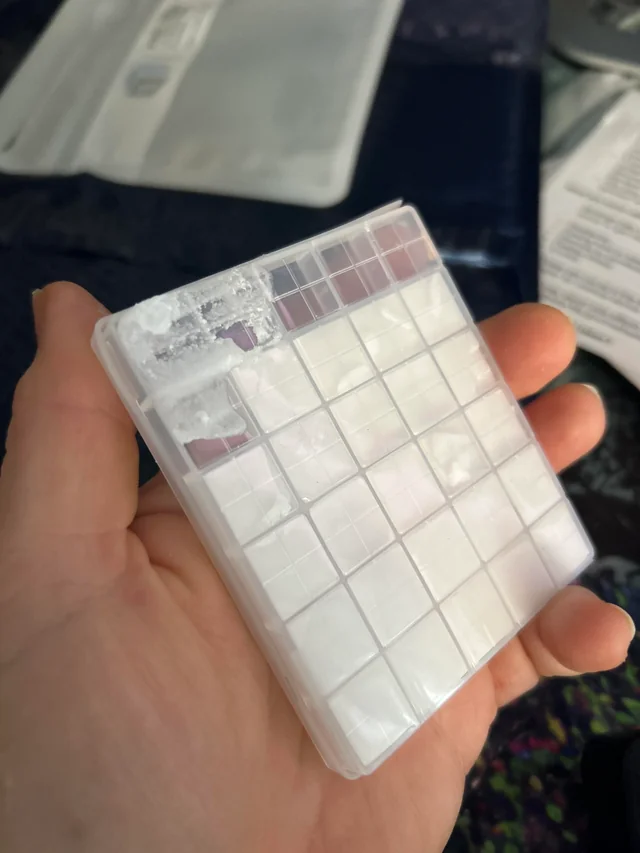
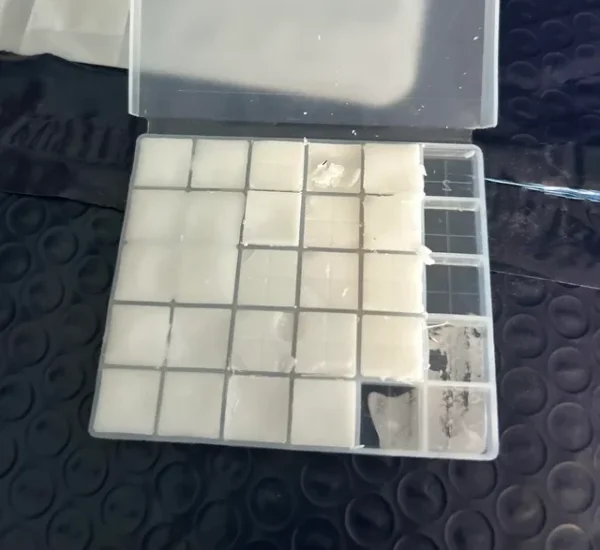
Ketamine lozenges, technically referred to as troches (pronounced “troe-kees”), are solid, dissolvable dosage forms that contain a measured amount of ketamine . The term “troche” comes from the Greek word “trokhiskos,” meaning a small, rounded tablet or lozenge. These are designed to dissolve slowly in the mouth, allowing the medication to be absorbed through the oral mucosa—the moist tissue lining the inside of the mouth.ketamine lozenges buy
Unlike traditional pills that are swallowed and processed through the digestive system, troches are intended for sublingual (under the tongue) or buccal (between the cheek and gum) administration . This route of administration bypasses the “first-pass metabolism” in the liver, where a significant portion of orally swallowed drugs is broken down before reaching the bloodstream.
How They Differ from Other Ketamine Formulations
Ketamine can be administered through several routes, each with distinct characteristics:
- Intravenous (IV) Infusion: Delivered directly into the bloodstream through a vein. This is the most common method in clinical settings and offers the highest bioavailability .
- Intramuscular (IM) Injection: Injected into a muscle, typically in the clinic setting.
- Intranasal Spray: Sprayed into the nostrils. This includes both compounded ketamine nasal spray and the FDA-approved Spravato® (esketamine).ketamine lozenges buy
- Oral Capsules: Swallowed and absorbed through the digestive tract. This route has the lowest bioavailability due to liver metabolism.
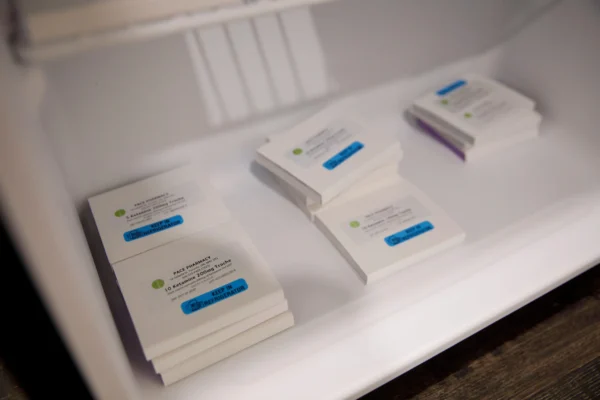
- Ketamine Lozenges/Troches: Dissolved in the mouth for mucosal absorption. This offers better absorption than oral capsules but less than IV or IM routes .ketamine lozenges buy
Why Lozenges?
The appeal of ketamine lozenges lies primarily in their convenience and accessibility. Patients can administer their doses at home, avoiding the need for frequent clinic visits, IV line placements, and time away from work or family. For maintenance therapy—after an initial series of in-clinic treatments—lozenges offer a practical way to extend the benefits of ketamine without the ongoing cost and burden of IV infusions .
2. The Science of Sublingual Absorption: How Ketamine Lozenges Work
Mechanism of Action: What Happens in the Brain?
To understand how ketamine lozenges work, we must first understand what ketamine does in the brain. Ketamine is primarily known as an N-methyl-D-aspartate (NMDA) receptor antagonist . By blocking these receptors, ketamine triggers a cascade of neurobiological events:ketamine lozenges buy
- Glutamate Surge: NMDA receptor blockade leads to increased glutamate release.
- AMPA Receptor Activation: This glutamate surge activates AMPA receptors.
- BDNF Release: AMPA stimulation increases Brain-Derived Neurotrophic Factor (BDNF), a protein crucial for neuronal health.
- Synaptogenesis: BDNF stimulates the growth of new neural connections (synapses) .ketamine lozenges buy
This process of creating new neural pathways is particularly important for individuals with depression, who often suffer from stress-induced neuronal damage and loss of synaptic connections. Ketamine essentially helps “rewire” the brain, restoring healthy neural communication.ketamine lozenges buy
For chronic pain, ketamine’s NMDA antagonism helps reduce central sensitization—a state where the nervous system becomes persistently hyper-reactive, amplifying pain signals .ketamine lozenges buy
The Challenge of Bioavailability
Bioavailability refers to the proportion of a drug that enters the bloodstream when introduced into the body and is able to have an active effect. This is where the route of administration becomes critical.
- IV Ketamine: 99-100% bioavailability .
- IM Ketamine: 90-95% bioavailability .
- Sublingual Ketamine (Lozenges): 20-30% bioavailability .
- Oral Ketamine (Swallowed): 10-20% bioavailability .
What does this mean for patients?
When you take a ketamine lozenge, only about one-quarter to one-third of the medication actually reaches your systemic circulation. The rest is lost due to incomplete absorption through the oral mucosa and metabolism in the liver if any is swallowed.ketamine lozenges buy
This explains why lozenge doses are often significantly higher than IV doses. For example, while an IV infusion might use 50-100 mg, a lozenge dose might range from 50 mg to 400 mg or more to achieve a comparable effect .ketamine lozenges buy
Onset and Duration of Effects
- IV Ketamine: Effects begin within minutes, with peak effects around 10-20 minutes. The dissociative experience lasts about 30-60 minutes .
- Ketamine Lozenges: Onset is slower, typically taking 15-30 minutes to feel effects. The experience may last 1-2 hours, with residual effects (drowsiness, mild dissociation) persisting for several hours .
3. Approved Uses vs. Off-Label Reality: The Regulatory Landscape
The FDA Approval Status
This is perhaps the most misunderstood aspect of ketamine therapy. Let us be absolutely clear: Ketamine lozenges are NOT FDA-approved for any psychiatric or pain indication .
The FDA-approved indications for ketamine are limited to:
That’s it. Ketamine as a generic drug is approved for use as an anesthetic, typically administered intravenously or intramuscularly in hospital settings.
The Esketamine Exception: Spravato®
In 2019, the FDA approved Spravato® (esketamine) —a nasal spray containing the S-enantiomer of ketamine—for treatment-resistant depression, in conjunction with an oral antidepressant . Spravato is FDA-approved and subject to a Risk Evaluation and Mitigation Strategy (REMS) program, meaning it can only be administered in certified healthcare settings under direct supervision.ketamine lozenges buy
Important distinction: Spravato is NOT the same as generic ketamine lozenges. It is a different chemical compound (esketamine vs. racemic ketamine), delivered via a different route (nasal spray vs. lozenge), and is FDA-approved vs. compounded .
Off-Label Prescribing: What It Means
If ketamine lozenges aren’t FDA-approved for depression or pain, how are they being prescribed? This is where the concept of off-label prescribing comes into play.ketamine lozenges buy
Off-label use is a legal and common practice in medicine. It means a healthcare provider prescribes an FDA-approved drug for a use that is not listed on its approved label. Once a drug is approved, physicians are generally free to prescribe it based on their clinical judgment for any condition they believe it may help .ketamine lozenges buy
Examples of common off-label prescribing:
- Using beta-blockers (heart medications) for anxiety.
- Using gabapentin (seizure medication) for nerve pain.
- Using ketamine (anesthetic) for depression or chronic pain.
Off-label prescribing is not experimental or illegal—it is a recognized part of modern medicine. However, it does mean that the FDA has not evaluated the safety and efficacy of ketamine for these specific uses, and manufacturers cannot market it for those conditions .ketamine lozenges buy
Compounded Ketamine: A Regulatory Gray Area
Most ketamine lozenges are produced by compounding pharmacies. Compounding is the practice of preparing customized medications for individual patients, often when commercially available FDA-approved drugs are not suitable .
According to the FDA: “Compounded drugs, including compounded ketamine products, are not FDA approved, which means FDA has not evaluated their safety, effectiveness, or quality prior to marketing. Therefore, compounded drugs do not have any FDA-approved indications or routes of administration” .ketamine lozenges buy
This is a critical distinction: While the raw ketamine powder used by compounding pharmacies is FDA-approved as a bulk drug substance, the final compounded product (the lozenge) has not undergone FDA review for safety, efficacy, or quality .ketamine lozenges buy
4. The FDA Warnings: Understanding the Risks
In recent years, the FDA has issued two significant warnings regarding compounded ketamine, directly impacting the landscape for ketamine lozenges.ketamine lozenges buy
February 2022 Warning: Nasal Spray Focus
The first warning addressed compounded ketamine nasal spray, following adverse event reports from 2016-2022. The FDA identified five major side effects:ketamine lozenges buy
The FDA emphasized that compounded drugs should only be used when patients’ medical needs cannot be met by an FDA-approved drug .
Table of Contents
October 2023 Warning: Oral Formulations and Telehealth
The second warning specifically addressed compounded ketamine products, including oral formulations like lozenges, for psychiatric disorders. The FDA noted that the ability to obtain these products through telemedicine platforms and compounders for at-home use may be attractive to patients, but warned:
“The lack of monitoring for adverse events, such as sedation and dissociation, by an onsite health care provider may put patients at risk” .ketamine lozenges buy
Key Safety Concerns Highlighted by the FDA
The October 2023 warning outlined several specific risks :
- Unmonitored Vital Signs: Without healthcare provider monitoring, dangerous changes in blood pressure or cardiac symptoms could go unnoticed.
- Respiratory Depression: Slowed or difficulty breathing is a known risk of ketamine.
- Psychiatric Events: Anxiety, panic, and worsening of mental health symptoms.
- Bladder Toxicity: Chronic ketamine use has been associated with urinary tract symptoms and “ketamine bladder syndrome.”ketamine lozenges buy
- Abuse and Misuse: Ketamine is a Schedule III controlled substance with known abuse potential.
- Unknown Quality: Compounded products lack FDA quality assurance, meaning there is no guarantee the product contains the stated amount of ketamine or is free from contaminants.
The FDA concluded: “Compounded ketamine products are not FDA approved for any indication, including psychiatric disorders… Because compounded ketamine products are not subject to monitoring requirements under a REMS, they may be less safe” .ketamine lozenges buy
5. Clinical Evidence: What Does the Research Say?
Despite the regulatory complexities, clinical research has explored the use of sublingual ketamine for various conditions.ketamine lozenges buy
Evidence for Chronic Pain Management
A significant retrospective case-series published in the Internal Medicine Journal (2022) examined 29 patients receiving sublingual ketamine troches for chronic non-malignant pain between 2012 and 2019 .
Key findings:
- Dosages ranged from 25 mg to 600 mg in divided doses.
- Treatment duration ranged from 2 to 89 months.
- 59% of patients reduced their use of opioids, gabapentinoids, or benzodiazepines.
- 39% of patients completely ceased an analgesic agent.
- Side effects occurred in 24% of patients, but only 7% discontinued due to side effects (primarily drowsiness).
- No reports of renal impairment, cystitis, or hepatotoxicity .
The researchers concluded that sublingual ketamine appears to be a safe and effective analgesic agent for chronic non-malignant pain, with no association between side effect frequency and duration of therapy or total daily dosage .
Evidence for Depression and PTSD
A 2023 pilot study published in Frontiers in Pain Research explored ketamine-assisted psychotherapy (KAPT) using two approaches: high-dose intramuscular and low-dose sublingual lozenges .ketamine lozenges buy
Key findings:
- Ten individuals with chronic pain and major depressive disorder were studied.
- Five received the “psychedelic approach” (high-dose IM 24 hours before therapy).
- Five received the “psycholytic approach” (low-dose sublingual lozenges during therapy).
- All participants experienced symptom improvement throughout treatment.
- While statistical significance wasn’t reached due to small sample size, the high-dose IM group showed larger and more consistent decreases in symptoms .ketamine lozenges buy
The researchers concluded that ketamine-assisted psychotherapy may be effective for treating chronic pain/MDD comorbidity, anxiety, and PTSD, with findings suggesting the psychedelic (higher dose) approach may be more effective .ketamine lozenges buy
Evidence for Procedural Sedation
Interestingly, a 2020 study in the Journal of Cataract & Refractive Surgery examined a specific ketamine-containing troche (MKO Melt: midazolam 3 mg, ketamine 25 mg, ondansetron 2 mg) for sedation during cataract surgery. With 991 patients in the MKO group, researchers found clinically and statistically significant improvements in preoperative and postoperative systolic blood pressure compared to IV sedation. The troche was deemed safe, effective, and well-tolerated .ketamine lozenges buy
The Evidence Gap
Despite these promising findings, major gaps remain in the research :
- Limited high-quality data for sublingual administration compared to IV.
- Small sample sizes in most studies.
- Lack of long-term safety data (though the 2022 pain study provided initial long-term data up to 89 months) .
- Optimal dosing protocols remain unclear.
- The role of psychotherapy alongside medication needs further study.ketamine lozenges buy
6. Ketamine Lozenges vs. IV Infusion: A Comparative Analysis
For patients considering ketamine therapy, understanding the differences between lozenges and IV infusions is essential for making an informed decision.ketamine lozenges buy
Expert Opinion on Lozenges vs. IV
The Medical Director of Nervana Medical offers a candid perspective:
“I do NOT believe [ketamine troches] are an alternative to in clinic injections or infusions… Troches have less bioavailability and when done at home without having gone thru the ketaverse within a clinical setting to have a better understanding of what to expect and how to prepare is something I would say is less than ideal.”ketamine lozenges buy
“In my clinical opinion, troches should be utilized as a more cost effective approach for patients who have completed a series [of IV/IM treatments] and need more maintenance intervention… It should not be a substitute for maintenance injections/infusions but rather used in addition with hopes to increase the duration of time between maintenance treatments” .ketamine lozenges buy
This perspective highlights a growing consensus: lozenges may be best suited for maintenance therapy after initial stabilization with IV/IM, rather than as a first-line treatment.
7. Conditions Treated with Ketamine Lozenges
Based on clinical practice and available research, ketamine lozenges are being used for several conditions :ketamine lozenges buy
Mental Health Conditions
- Treatment-Resistant Depression (TRD): Depression that hasn’t responded to at least two adequate trials of antidepressants.
- Anxiety Disorders: Including generalized anxiety disorder and social anxiety.
- Post-Traumatic Stress Disorder (PTSD): Particularly when conventional treatments have failed.
- Obsessive-Compulsive Disorder (OCD): Some clinics report off-label use.ketamine lozenges buy
Pain Conditions
- Chronic Neuropathic Pain: Pain arising from nerve damage.
- Complex Regional Pain Syndrome (CRPS): A chronic pain condition typically affecting one limb.
- Fibromyalgia: Characterized by widespread musculoskeletal pain.
- Central Sensitization Syndromes: Where the central nervous system remains in a persistent state of high reactivity .ketamine lozenges buy
Candidate Selection
Not everyone is a suitable candidate for ketamine lozenges. Ideal candidates typically :ketamine lozenges buy
- Are age 18 or older
- Have a formal diagnosis of a condition known to respond to ketamine
- Have previously responded to ketamine therapy (for maintenance)
- Are emotionally and psychologically stable
- Have a supportive home environment
- Can comply with safety protocols
Contraindications: Who Should NOT Use Ketamine Lozenges
Ketamine may be unsafe for individuals with :
- Uncontrolled hypertension
- Significant heart disease (including unstable angina, recent heart attack)
- Severe liver impairment
- Active substance use disorder
- Uncontrolled psychosis
- Pregnancy or breastfeeding
- History of ketamine allergy
8. The Compounding Pharmacy Connection
What Is a Compounding Pharmacy?
Compounding pharmacies prepare customized medications based on a prescriber’s specific order. For ketamine lozenges, this means :ketamine lozenges buy
- The pharmacy receives a prescription from a licensed practitioner.
- The pharmacist compounds the lozenge with the exact dosage prescribed.
- The medication is dispensed to the patient, often by mail or pickup.
Quality Considerations
The FDA emphasizes that compounded drugs are not evaluated for safety, effectiveness, or quality . However, reputable compounding pharmacies:
- Follow USP (United States Pharmacopeia) standards.
- Undergo accreditation processes.
- Maintain strict quality control procedures.
- Use FDA-approved bulk drug substances.
Patients should verify that their compounding pharmacy is licensed and accredited (e.g., by the Pharmacy Compounding Accreditation Board).ketamine lozenges buy
Ketamine Specialty Pharmacies
Some pharmacies specialize in ketamine compounding. For example, Health Dimensions Clinical Pharmacy (HDRX) proudly serves Michigan, offering ketamine troches, capsules, nasal spray, suppositories, and sterile IV/IM preparations. They emphasize the patient-physician-pharmacist relationship and provide education and consultations to patients and providers .ketamine lozenges buy
9. How to Take Ketamine Lozenges: A Step-by-Step Guide
If prescribed ketamine lozenges, proper administration is critical for safety and efficacy.
Preparation
- Do not eat for at least 2 hours before taking your medication.
- Do not drink liquids for at least 30 minutes before taking your medication.
- Use the bathroom beforehand—you will need to remain seated or lying down during treatment.
- Arrange for a trusted person to be nearby, especially for the first few doses.ketamine lozenges buy
Administration
- Sit or lie down in a comfortable, quiet, safe place.
- Place the troche under your tongue (sublingual) or between your cheek and gum (buccal) as directed.
- Let the troche dissolve slowly. Do NOT chew or swallow it whole.ketamine lozenges buy
- Try to avoid swallowing your saliva for as long as comfortable—this maximizes absorption through the oral mucosa.
- Keep the medication in your mouth for the full time recommended (typically 10-15 minutes).
- After the troche dissolves, you may swallow normally.
During and After Treatment
- Remain seated or lying down for at least 1-2 hours after taking the medication.
- Expect possible temporary side effects (see below).
- Do NOT drive, operate machinery, or make important decisions for at least 6-8 hours after treatment.
- Plan to rest and resume normal activities the following day.
Common Side Effects
- Feeling disconnected from body or surroundings (dissociation)
- Dizziness or lightheadedness
- Nausea or vomiting
- Blurred vision
- Unusual thoughts or perceptions
- Sedation or fatigue
- Temporary increases in blood pressure and heart rate
- Anxiety or restlessness
- Headache
Most side effects are mild and temporary, typically resolving within 1-4 hours .ketamine lozenges buy
When to Seek Help
Contact your provider immediately or seek emergency care if you experience:
- Severe headache
- Chest pain
- Difficulty breathing
- Thoughts of harming yourself
10. Safety Considerations and Abuse Potential
Is Ketamine Addictive?
Ketamine is a Schedule III controlled substance under the Controlled Substances Act, indicating it has a moderate to low potential for physical and psychological dependence relative to Schedule I and II substances .
The abuse potential is real. Ketamine can produce euphoria and dissociative effects that some individuals may seek to replicate. When used properly under medical supervision, with controlled doses and monitoring, the risk of addiction is minimized. However, at-home use of lozenges theoretically carries higher abuse potential than in-clinic administration .ketamine lozenges buy
Signs of Misuse or Abuse
Patients and their support networks should be alert to:
- Taking more than prescribed
- Seeking early refills
- Using ketamine more frequently than directed
- Preoccupation with the drug’s psychoactive effects
- Functional impairment due to use
Medication Security
- Store ketamine lozenges securely away from children, visitors, and others.
- Never share your medication—this is illegal and dangerous.
- Dispose of unused medication properly (follow pharmacy guidance).
The Importance of a Treatment Plan
Experts emphasize that ketamine should never be viewed as a standalone treatment. According to a Yale School of Medicine publication cited in legal analysis:
“Ketamine is not a miracle cure… It’s a part of a treatment plan, not the treatment plan. It should be given as part of an overall treatment plan with a mental health professional… These ketamine clinics that provide the treatment without close follow-up of some type being provided by a mental health professional, in my mind, are a very dangerous thing” .ketamine lozenges buy
A comprehensive treatment plan includes :
- Ongoing psychotherapy
- Regular psychiatric follow-up
- Coordination among all providers
- Monitoring of symptoms and side effects
- Crisis planning
11. The Telehealth Boom: Accessibility vs. Safety
The Rise of Online Ketamine Prescribing
The COVID-19 pandemic accelerated the adoption of telemedicine, including for controlled substances. This has led to the emergence of numerous online platforms offering ketamine lozenge prescriptions after brief virtual consultations .ketamine lozenges buy
FDA Concerns About Telehealth Ketamine
The FDA has explicitly addressed this trend:
“FDA understands that the ability to obtain such products through telemedicine platforms and compounders for at-home use may be attractive to some patients. However, the lack of monitoring for adverse events, such as sedation and dissociation, by an onsite health care provider may put patients at risk” .
Dr. Amit Anand, Professor of Psychiatry at Harvard Medical School, expressed concern:
“The concern is that because it’s being compounded, more and more people are going to take it at home” .
What to Look for in a Telehealth Provider
If considering telehealth for ketamine lozenges, ensure the provider:
- Conducts a thorough initial evaluation (not just a brief questionnaire).
- Requires appropriate medical records from your existing providers.
- Checks for contraindications (heart problems, uncontrolled hypertension, etc.).
- Provides clear safety instructions and emergency protocols.
- Offers regular follow-up (not just a one-time prescription).
- Coordinates with your existing mental health providers .
12. Frequently Asked Questions (FAQ)
Q1: Are ketamine lozenges FDA approved?
A: No. Ketamine is FDA-approved as an anesthetic. The use of ketamine lozenges for mental health or pain conditions is considered off-label. Compounded ketamine products are not FDA-approved, meaning the FDA has not evaluated their safety, effectiveness, or quality .
Q2: How much do ketamine lozenges cost?
A: Costs vary widely. Initial evaluation may range from $200-$500, with monthly follow-up fees of $50-$150. The medication itself is typically $50-$150 per month, but insurance rarely covers compounded ketamine, so out-of-pocket payment is common .ketamine lozenges buy
Q3: Will insurance cover ketamine lozenges?
A: Generally, no. Ketamine lozenges are compounded, off-label, and not FDA-approved for psychiatric or pain indications, so most insurance plans do not cover them. Some may cover clinic visits, but the medication itself is almost always out-of-pocket .
Q4: Can I drive after taking a ketamine lozenge?
A: Absolutely not. Ketamine causes impairment. Patients should not drive, operate machinery, or make important decisions for at least 6-8 hours after taking a dose. Plan to rest for the remainder of the day .
Q5: How often do I take ketamine lozenges?
A: Protocols vary. Some patients take lozenges every 2-3 days, while others use them less frequently for maintenance. Your provider will determine a schedule based on your specific condition and response .
Q6: Are ketamine lozenges safe long-term?
A: A 2022 study followed patients for up to 89 months (over 7 years) and found no association between duration of therapy and side effects. However, long-term safety data is still limited. Known risks of chronic ketamine use include bladder issues and cognitive concerns, so ongoing monitoring is essential .
Q7: Can I take ketamine lozenges with my antidepressants?
A: Possibly, but this depends on your specific medications. Ketamine can interact with other drugs. It is critical to disclose all prescription medications, supplements, and substances you use to your provider .
Q8: Will ketamine lozenges cure my depression?
A: No treatment can guarantee results. Ketamine lozenges do not guarantee symptom relief, and responses vary. They are one component of a broader treatment plan and may work better for some patients than others .
Q9: Can I share my ketamine lozenges with someone else?
A: No. Ketamine is a prescription medication. Sharing, selling, or diverting it is illegal and unsafe and may result in discontinuation of treatment .
Q10: What happens if I miss a dose?
A: Follow your provider’s guidance. Generally, if you miss a dose, take it as soon as you remember unless it’s close to your next scheduled dose. Do not double up. Contact your provider if you have questions .
13. The Future of Ketamine Lozenges in the USA
Regulatory Outlook
The FDA’s warnings in 2022 and 2023 signal increased scrutiny of compounded ketamine, particularly when prescribed via telehealth for at-home use. Future regulatory actions could include :
- Stricter enforcement against illegitimate operators.
- Potential guidance on compounding standards.
- Possible requirements for in-person evaluation before prescribing.
Research Directions
Ongoing research aims to address current knowledge gaps :
- Optimal dosing protocols for sublingual administration.
- Long-term safety data in larger populations.
- Comparative effectiveness of different routes.
- The role of psychotherapy integration.
- Biomarkers to predict treatment response.
Integration with Psychotherapy
The concept of ketamine-assisted psychotherapy (KAPT) is gaining traction. Rather than viewing ketamine as a standalone pharmacological intervention, this approach combines the drug’s neuroplasticity-enhancing effects with structured therapy sessions to maximize and sustain benefits .
Potential Expansion of Indications
Beyond depression and chronic pain, researchers are exploring ketamine for:
- Suicidal ideation (acute intervention)
- Bipolar depression
- Severe anxiety disorders
- Substance use disorders
- Eating disorders
Conclusion
Ketamine lozenges represent a fascinating intersection of old drug and new application, convenience and risk, hope and hype. For patients with treatment-resistant depression or chronic pain who have exhausted conventional options, they offer a potential path to relief that can be administered in the comfort of home.
However, this convenience comes with significant caveats. The lower bioavailability of lozenges compared to IV infusion means they may be less effective as a primary treatment. The lack of medical supervision during administration raises safety concerns that have prompted FDA warnings. The compounding pharmacy supply chain means quality can vary. And the off-label, unapproved status means patients bear more responsibility for understanding the risks.
The most responsible approach to ketamine lozenges appears to be:
- Use them as maintenance therapy after initial stabilization with IV/IM ketamine .
- Ensure they are part of a comprehensive treatment plan including ongoing psychotherapy and psychiatric care .
- Work with reputable providers who conduct thorough evaluations and provide adequate follow-up .
- Understand and respect the safety protocols—no driving, secure storage, and honest communication with your healthcare team .
- Maintain realistic expectations—ketamine is not a miracle cure but a tool that may help some patients .
As research continues and regulations evolve, the role of ketamine lozenges in American medicine will become clearer. For now, patients considering this option must be informed, cautious, and actively engaged with qualified healthcare providers who prioritize safety alongside symptom relief.The promise of ketamine is real—but so are the responsibilities that come with its use.
