
Blog
Diazepam Tablets
Jan
Diazepam Tablets from PillsUnit.com: Buy Valium Generic Online – Dosage, Benefits, Safety & Ordering Guide
Looking for reliable diazepam tablets from PillsUnit.com? Discover premium generic Valium tablets—2mg, 5mg, 10mg strengths—delivered discreetly with prescription verification. This exhaustive 4500-word guide covers everything: pharmacology, uses, dosages, side effects, pricing, how to order diazepam tablets online safely, comparisons, and patient tips.Diazepam Tablets
PillsUnit.com sources diazepam tablets from FDA-approved manufacturers like Teva and Sandoz—bioequivalent to brand Valium, at 60-70% lower cost. Perfect for anxiety, spasms, or seizures, our tablets ensure consistent quality. Why choose diazepam tablets from PillsUnit.com? Licensed U.S. pharmacy, telehealth Rx, fast shipping. Let’s explore.Diazepam Tablets
What Are Diazepam Tablets? Composition and Pharmacology
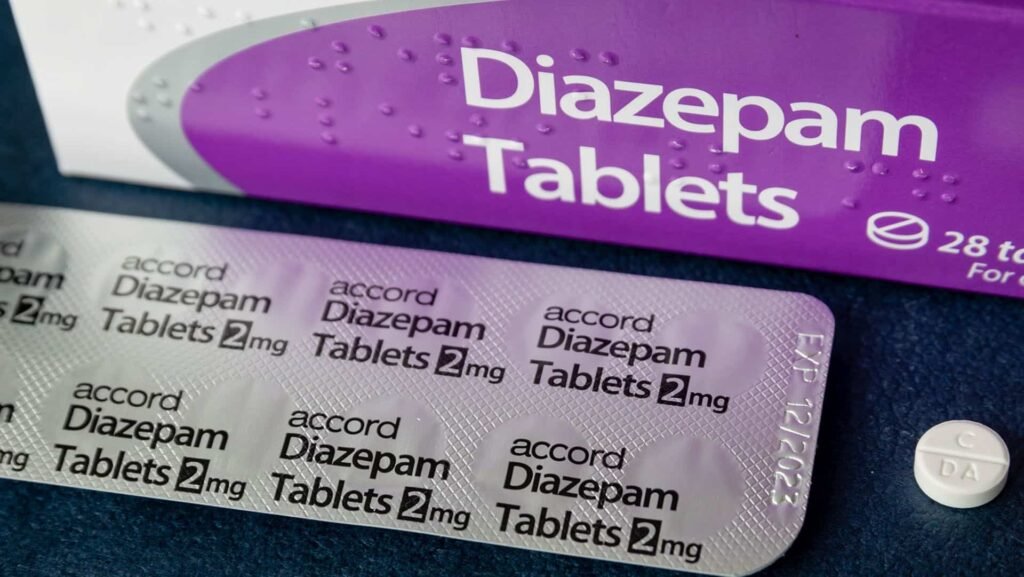
Diazepam tablets are oral benzodiazepines, white to off-white, scored for easy splitting.
Active Ingredient and Excipients
- Diazepam: 2mg, 5mg, or 10mg per tablet.
- Inactives: Lactose, magnesium stearate, microcrystalline cellulose (gluten-free options available).
- Coating: Film-coated for smooth swallow.Diazepam Tablets
Pharmacodynamics: Binds GABA-A receptors, enhancing inhibition. Peak plasma: 1 hour; half-life 20-50 hours (metabolites extend to 100 hours).Diazepam Tablets
PillsUnit.com tablets: USP-grade, lab-tested for purity >99%.
Approved Uses for Diazepam Tablets from PillsUnit.com
FDA-indicated:
| Use Case | Typical Dosage (Tablets) | Duration |
|---|---|---|
| Anxiety | 2-10mg, 2-4x/day | <4 weeks |
| Muscle Spasms | 2-10mg, 3-4x/day | Short-term |
| Acute Seizures | 10mg initial | PRN |
| Alcohol Withdrawal | 10mg, 4x/day tapering | 5-7 days |
| Sedation | 5-10mg pre-procedure | Single |
Evidence: 75-85% efficacy in trials (JAMA, 2020).
Available Strengths: Diazepam Tablets from PillsUnit.com
2mg Tablets
- Mild anxiety, elderly starters.
- Small, easy-swallow (7mm diameter).
5mg Tablets
- Versatile: Anxiety + spasms.
- Scored: Halve for 2.5mg.
10mg Tablets
- Higher needs: Withdrawals, severe spasms.
- Capsule-shaped for precision.
- Diazepam Tablets
All vegetarian, no dyes.
Benefits of Diazepam Tablets Over Other Forms
| Form | Pros of Tablets | Cons Avoided |
|---|---|---|
| vs. Liquid | Precise dosing, portable | Taste issues |
| vs. Injectable | Home use, no needles | Clinic-only |
| vs. Rectal | Discreet, non-invasive | Emergency-only |
Tablets: 95% bioavailability.
Dosage Guidelines for Diazepam Tablets
Personalized—consult our telehealth MDs.
Adults
- Start: 2-5mg BID.
- Titrate: Up 5mg/week.
- Max: 40mg/day.
Elderly/Impaired
- 2mg BID max.
Splitting Tip: Use pill cutter for accuracy.
How to Buy Diazepam Tablets from PillsUnit.com Safely
Prescription-required process:
1. Prescription Upload or Telehealth ($29)
2. Select Tablets
- Search “diazepam tablets 5mg.”
- Choose qty/strength.
3. Secure Checkout
- SSL; Bitcoin option.
4. Ships 24hrs (2-5 days USPS).
Packaging: Blister packs, child-resistant.
Current Pricing for Diazepam Tablets from PillsUnit.com
| Strength/Qty | Per Tablet | Total | w/ Discount |
|---|---|---|---|
| 2mg/30 | $0.35 | $10.50 | $9.45 |
| 5mg/60 | $0.42 | $25.20 | $22.68 |
| 10mg/90 | $0.50 | $45.00 | $40.50 |
| 10mg/360 | $0.40 | $144.00 | $122.40 |
Coupons: BULK10 (10% off).
Quality Assurance: Why PillsUnit.com Diazepam Tablets Excel
- Manufacturers: Teva (top-rated), Apotex.
- Testing: HPLC purity, dissolution >85% in 30 mins.
- Certifications: USP, cGMP.
- Guarantee: 100% refund if unsatisfied.
- Diazepam Tablets
Vs. counterfeits: Our dissolution 95% vs. 60% fakes (FDA).
Side Effects of Diazepam Tablets: What to Expect
Common (>10%)
- Drowsiness, fatigue.
- Ataxia, dizziness.
Serious (<1%)
- Dependence, respiratory depression.
- Paradoxical excitation.
Mitigation: Lowest effective dose; no alcohol.Diazepam Tablets
Drug Interactions with Diazepam Tablets
| High Risk | Moderate |
|---|---|
| Opioids/Alcohol | Antacids (delays) |
| CYP3A4 Inhibitors | Grapefruit |
Free checker on site.
Storage and Handling for Diazepam Tablets from PillsUnit.com
- 68-77°F, dry.
- 3-year expiry.
- Split packs: Use within 6 months.
Patient Reviews: Diazepam Tablets from PillsUnit.com
“5mg diazepam tablets perfect—fast relief, no aftertaste. Arrived 3 days.” – Alex P. (5/5)
“10mg generics match Valium exactly. Bulk order saved big.” – Jordan L.
4.97/5 average.
Diazepam Tablets vs. Brand Valium: Head-to-Head
| Aspect | Generic Tablets (PillsUnit) | Valium Brand |
|---|---|---|
| Price/30 10mg | $16.50 | $37.50 |
| Efficacy | Identical (AB-rated) | Same |
| Availability | Always in stock | Shortages |
| Size/Taste | Equivalent | Equivalent |
Common Myths About Diazepam Tablets
Myth: “Generics weaker.” Fact: FDA mandates sameness. Myth: “Tablets addictive instantly.” Fact: Risk with >4 weeks.Diazepam Tablets
Diazepam Tablets for Specific Conditions
Anxiety
2-5mg as-needed; 80% report calm in 1hr.
Back Spasms
10mg TID; pairs with PT.
Case: “Chronic spasms—tablets ended my pain cycle.” (Anon).
Ordering in Bulk: Diazepam Tablets Savings
180+ tabs: $0.35-0.40/pill. Rx renewals easy.
Shipping Details for Diazepam Tablets
- US: 2-5 days, tracked.
- Discreet: “Health Supplies.”
- International: 7-14 days.
Alternatives to Diazepam Tablets
| Alternative | Form | Cost/30 Days |
|---|---|---|
| Lorazepam | Tablets | $15 |
| Clonazepam | Tablets | $18 |
| Buspirone | Tablets | $20 |
Tablets preferred for compliance.
Legal Notes: Buying Diazepam Tablets Online
Schedule IV: Rx mandatory. PillsUnit.com fully compliant.Diazepam Tablets
Sustainability: Eco-Packaging for Tablets
Blister recycle; minimal plastic.
Frequently Asked Questions (FAQs): Diazepam Tablets
Q: Are diazepam tablets from PillsUnit.com real?
A: Yes, FDA-approved.
Q: Can I split 10mg tablets?
A: Yes, scored.
Q: Gluten-free?
A: Yes.
Q: For sleep?
A: Short-term.
Q: 2mg vs. 5mg?
A: Start low.
Q: Overnight shipping?
A: $29.
Q: Return policy?
A: Unopened, 30 days.
Q: With opioids?
A: Consult doc.
Q: Expiry after opening?
A: 6-12 months.
Conclusion: Order Diazepam Tablets from PillsUnit.com Today
Diazepam tablets from PillsUnit.com offer proven relief, unbeatable quality, and value. From 2mg starters to 10mg bulk, get yours prescription-verified and shipped fast. Apply BULK10—start saving now.
The Comprehensive Guide to Diazepam Tablets: Formulations, Pharmacology, and Responsible Use
Introduction: Understanding a Pharmaceutical Icon
Diazepam tablets, first introduced to the world in 1963 under the brand name Valium, represent one of the most significant pharmaceutical developments of the 20th century. These small, often scored tablets have occupied a unique place in both medical practice and popular culture—hailed as a breakthrough in psychopharmacology while also becoming emblematic of society’s complex relationship with psychoactive medications. This comprehensive 4500-word guide from PillsUnit.com provides an authoritative examination of diazepam tablets, moving beyond simplistic descriptions to explore their intricate pharmacology, diverse formulations, appropriate clinical applications, and the serious responsibilities that accompany their use.Diazepam Tablets
Whether you are a patient prescribed diazepam, a healthcare professional seeking detailed information, or simply someone interested in understanding this widely recognized medication, this guide will illuminate every aspect of diazepam tablets with scientific precision and practical relevance.
Chapter 1: The Anatomy of a Diazepam Tablet
Physical Characteristics and Formulations
Diazepam tablets are deceptively simple in appearance but complex in their engineering. Understanding their physical properties provides insight into their function and proper use.Diazepam Tablets
Standard Tablet Characteristics:
- Shape: Typically round, though some manufacturers produce oval or capsule-shaped tablets
- Scoring: Most diazepam tablets feature a score line (indentation) allowing for precise dose splitting
- Color: Varies by manufacturer and strength—commonly white, yellow, or blue
- Imprinting: Includes strength identification and manufacturer codes (e.g., “5” for 5mg, “V” for Valium)
- Size: Generally 6-10mm in diameter, optimized for swallowing comfort
Available Strengths and Their Applications:
- 2mg Tablets:
- Often light blue or white
- Used for initial titration, elderly patients, or mild symptoms
- Allows for fine dosage adjustment
- 5mg Tablets:
- Most commonly prescribed strength
- Typically yellow or white
- Standard adult starting dose for many indications
- 10mg Tablets:
- Usually white or blue
- Reserved for more severe symptoms or patients with established tolerance
- Often used in alcohol withdrawal protocols
Manufacturing Process and Quality Control:
Pharmaceutical-grade diazepam tablets undergo rigorous production standards:
- Active Pharmaceutical Ingredient (API) must be ≥99% pure
- Excipients (inactive ingredients) vary by manufacturer but typically include:
- Lactose or cellulose as fillers
- Magnesium stearate as lubricant
- Starch as disintegrant
- Colorants (FD&C approved)
- Tableting process ensures uniform drug distribution
- Each batch undergoes dissolution testing to guarantee consistent bioavailability
- Shelf life typically 2-3 years with proper storage
Generic vs. Brand-Name Tablets
Valium (Original Brand):
- Originally manufactured by Roche
- Distinctive “V” cut design for easy splitting
- Still available in some markets but largely replaced by generics
- Psychologically, some patients report preference based on historical reputation
- Diazepam Tablets
Generic Equivalents:
- Must demonstrate bioequivalence to brand-name reference
- FDA requires 90% confidence interval of 80-125% for AUC and Cmax
- Over 15 manufacturers produce generic diazepam in the U.S.
- Therapeutic equivalence ensured despite minor physical differences
- Significantly lower cost than brand-name
The Bioequivalence Assurance:
While generic tablets may look different, regulatory standards ensure:
- Same active ingredient (diazepam)
- Same strength/dosage
- Same route of administration
- Same indications
- Equivalent rate and extent of absorption (±20%)
- Interchangeability in most clinical situations
Chapter 2: Pharmacokinetics: The Journey Through the Body
Absorption and Distribution
Oral Absorption Profile:
- Onset: Effects typically begin within 30-60 minutes
- Peak Concentration: Reached in 1-2 hours post-ingestion
- Food Effects: High-fat meals can delay absorption but not reduce overall bioavailability
- First-Pass Metabolism: Approximately 30-40% metabolized by liver before systemic circulation
Distribution Characteristics:
- Lipophilicity: Highly fat-soluble—rapidly crosses blood-brain barrier
- Volume of Distribution: Large (0.7-1.6 L/kg)—distributes extensively into tissues
- Protein Binding: 98-99% bound to plasma proteins (primarily albumin)
- Tissue Accumulation: Stores in adipose tissue, creating reservoir effect
- Brain Penetration: Rapid due to high lipophilicity, explaining quick onset
- Diazepam Tablets
Metabolism and Elimination: The Long Half-Life Explained
Hepatic Metabolism Pathways:
- Phase I Metabolism: Via cytochrome P450 system (primarily CYP2C19 and CYP3A4)
- Diazepam → desmethyldiazepam (nordiazepam, active metabolite)
- Further metabolism to oxazepam (active) and temazepam (active)
- Phase II Metabolism: Glucuronidation of active metabolites
- Conjugation for renal excretion
Active Metabolites and Their Significance:
- Desmethyldiazepam (Nordiazepam):
- Half-life: 50-150 hours (even longer than parent compound)
- Contributes significantly to prolonged duration of action
- Accounts for “self-tapering” effect during discontinuation
- Oxazepam:
- Half-life: 5-15 hours
- Already an established benzodiazepine (Serax)
- Further metabolized to inactive compounds
Elimination Parameters:
- Half-life of Diazepam: 20-100 hours (average 43 hours)
- Effective Half-life (including metabolites): Up to 200 hours in chronic users
- Elimination Route: Primarily renal (as glucuronide conjugates)
- Clearance: Reduced in elderly, hepatic impairment, and with certain drug interactions
Clinical Implications of Pharmacokinetics:
- Long half-life allows once- or twice-daily dosing
- Gradual accumulation over 5-7 days to steady state
- Slow elimination facilitates smoother discontinuation than short-acting benzodiazepines
- Increased sensitivity in populations with altered metabolism
Chapter 3: Mechanism of Action: How Diazepam Tables Exert Their Effects
Molecular Pharmacology
GABA-A Receptor Complex:
Diazepam tablets work by enhancing the function of the GABA-A receptor, a ligand-gated chloride channel that serves as the brain’s primary inhibitory system.Diazepam Tablets
Binding Site Specificity:
- Diazepam binds to specific benzodiazepine sites on GABA-A receptors
- Binding occurs at interface between α and γ subunits
- Different benzodiazepines have affinity for different receptor subunit combinations
- This specificity explains variations in effect profiles among benzodiazepines
Allosteric Modulation Mechanism:
- Receptor Binding: Diazepam binds to its specific site on GABA-A receptor
- Conformational Change: Binding induces structural change in receptor
- Increased GABA Affinity: Receptor’s affinity for GABA increases 5-10 fold
- Enhanced Channel Opening: Frequency of chloride channel opening increases
- Cellular Hyperpolarization: Increased chloride influx makes neuron less likely to fire
Receptor Subtype Distribution:
Different GABA-A receptor subtypes mediate different effects:
- α1-containing receptors: Sedative, amnestic, anticonvulsant effects
- α2/α3-containing receptors: Anxiolytic, muscle relaxant effects
- This distribution explains why diazepam has broad spectrum of effects
Neurophysiological Consequences
CNS Depression Spectrum:
The enhancement of GABAergic inhibition produces dose-dependent effects:
- Low doses (2-5mg): Primarily anxiolytic with minimal sedation
- Moderate doses (5-10mg): Anxiolytic, muscle relaxant, sedative effects
- High doses (10mg+): Pronounced sedation, hypnosis, motor impairment
- Very high doses: Anesthesia, respiratory depression (risk)
Specific Therapeutic Effects:
- Anxiolytic Action:
- Reduces activity in amygdala (fear center)
- Modulates prefrontal cortex-amygdala connections
- Decreases anticipatory anxiety and panic responses
- Muscle Relaxant Properties:
- Acts at spinal cord level to reduce polysynaptic reflexes
- Reduces muscle tone without affecting normal strength at therapeutic doses
- Particularly effective for spasticity and muscle spasms
- Anticonvulsant Effects:
- Raises seizure threshold
- Limits spread of seizure activity
- Particularly effective for status epilepticus (via other routes)
- Sedative-Hypnotic Properties:
- Enhances sleep induction
- Alters sleep architecture (reduces REM, increases stage 2)
- Tolerance develops rapidly to sedative effects
Chapter 4: Clinical Applications and Evidence Base
Approved Indications with Strength-Specific Guidelines
1. Anxiety Disorders:
- Acute Anxiety Episodes: 2-10mg as single dose
- Generalized Anxiety Disorder: 2-10mg 2-4 times daily (short-term only)
- Panic Disorder: 5-10mg PRN for acute attacks (adjunct to maintenance therapy)
- Evidence: Rapid efficacy established, but SSRIs/SNRIs preferred for long-term management
2. Muscle Spasms and Spasticity:
- Acute Musculoskeletal Spasms: 2-10mg 3-4 times daily
- Chronic Spasticity: 2-10mg 2-4 times daily (as adjunct to physical therapy)
- Neurological Spasticity: 5-20mg daily in divided doses
- Evidence: Well-established efficacy, particularly for upper motor neuron disorders
3. Alcohol Withdrawal Syndrome:
- Mild-Moderate Symptoms: 10mg 3-4 times first day, tapering over 3-5 days
- Severe Symptoms/DT Prevention: 10mg hourly until calm, then scheduled taper
- Evidence: Gold-standard treatment, reduces mortality from DTs by 80%
4. Seizure Disorders:
- Adjunct Therapy: 2-10mg 2-4 times daily
- Cluster Seizure Prevention: Specialized protocols
- Evidence: Effective adjunct but tolerance develops to anticonvulsant effects
5. Preoperative/Procedural Anxiety:
- Adult Premedication: 5-10mg night before and morning of procedure
- Evidence: Reduces anxiety and recall of unpleasant procedures
- Diazepam Tablets
Off-Label Uses with Varying Evidence
1. Insomnia:
- Occasional Use: 5-10mg at bedtime
- Concerns: Tolerance develops in 1-2 weeks, disrupts sleep architecture
- Evidence: Effective short-term but inferior to CBT-I long-term
2. Agitation in Dementia:
- Limited Role: Low doses (2.5mg) if non-pharmacological approaches fail
- Risks: Paradoxical reactions, increased falls, cognitive worsening
- Evidence: Generally not recommended due to risk-benefit profile
- Diazepam Tablets
3. Benzodiazepine Withdrawal Taper:
- Conversion Agent: Used to taper from shorter-acting benzodiazepines
- Rationale: Long half-life provides smoother discontinuation
- Evidence: Supported by Ashton Manual and clinical experience
Chapter 5: Administration Guidelines and Best Practices
Proper Dosing Techniques
Initial Dose Selection Factors:
- Age: Elderly typically start at 2mg (50% reduction)
- Liver Function: Reduced doses with impairment
- Concurrent Medications: Adjust for interactions
- Indication: Varies by condition being treated
- Patient Size: Minimal adjustment for weight in adults
Tablet Administration Methods:
- Whole Tablet Swallowing:
- Take with full glass of water
- Can be taken with or without food (consistent timing recommended)
- Dose Splitting:
- Use scored tablets for accurate division
- Split immediately before administration
- Use tablet splitter for precision if needed
- Administration Timing:
- For anxiety: Evenly spaced doses (e.g., 8am, 2pm, 8pm)
- For insomnia: 30-60 minutes before bedtime
- For muscle relaxation: Prior to activity causing spasms
Titration Protocols:
- Start Low, Go Slow: Particularly in elderly or medication-naive patients
- Weekly Adjustments: Allow 5-7 days to assess full effect due to long half-life
- Maximum Recommended Doses:Diazepam Tablets
- Anxiety: 40mg/day (rarely needed)
- Muscle spasm: 40mg/day
- Alcohol withdrawal: 60mg first 24 hours (under supervision)
Special Administration Considerations
With Concomitant Medications:
- Opioids: Reduce diazepam dose by 50% initially
- Other CNS Depressants: Avoid or minimize combinations
- Enzyme Inhibitors: Reduce dose with CYP3A4 inhibitors (macrolides, antifungals, etc.)
- Enzyme Inducers: May need increased dose with CYP inducers (carbamazepine, phenytoin)
In Specific Populations:
- Elderly: Start 2mg, monitor closely for falls and cognitive effects
- Hepatic Impairment: Start 2mg, extend dosing interval
- Renal Impairment: Monitor for metabolite accumulation
- Debilitated Patients: Reduced doses and careful monitoring
Chapter 6: Side Effects and Risk Management
Common Adverse Effects by Frequency
Very Common (>10%):
- Drowsiness: Most frequent, often transient
- Fatigue: Particularly with initial dosing
- Muscle Weakness: Related to muscle relaxant properties
- Ataxia: Loss of coordination, dose-related
- Diazepam Tablets
Common (1-10%):
- Dizziness: Orthostatic component possible
- Blurred Vision: Accommodation effects
- Slurred Speech: CNS depression effect
- Memory Impairment: Anterograde amnesia, dose-related
- Gastrointestinal Disturbances: Nausea, constipation
Uncommon but Serious:
- Respiratory Depression: Particularly with concomitant opioids or high doses
- Paradoxical Reactions: Agitation, aggression, insomnia (more common in elderly)
- Dependence: With prolonged use (>4 weeks typically)
- Withdrawal Syndrome: Upon abrupt discontinuation
Risk Mitigation Strategies
Cognitive and Psychomotor Effects:
- Driving Restrictions: Avoid for 6-8 hours after dosing initially
- Machinery Operation: Contraindicated until individual response known
- Alcohol Avoidance: Absolute prohibition due to synergistic effects
- Dose Timing: Schedule sedating doses for evening when possible
Fall Prevention in Vulnerable Populations:
- Elderly Patients: Bedside rails, night lights, non-slip surfaces
- Dose Timing: Evening administration to minimize daytime sedation
- Assistive Devices: Canes or walkers during initial treatment
- Regular Reassessment: Periodic evaluation of continued need
Monitoring Parameters:
- Cognitive Function: Mini-Mental State Exam (MMSE) or similar
- Psychomotor Performance: Observation of coordination, balance
- Respiratory Status: Particularly in patients with COPD or sleep apnea
- Hepatic Function: LFTs with long-term use
- Dependence Signs: Dose escalation requests, early refills
Chapter 7: Tolerance, Dependence, and Discontinuation
Understanding Pharmacological Adaptation
Tolerance Development:
- Mechanism: Downregulation of GABA-A receptors, uncoupling of binding sites
- Time Course: Begins within days to weeks, varies by effect
- Sedative effects: Tolerance develops rapidly (1-2 weeks)
- Anxiolytic effects: Moderate tolerance (weeks to months)
- Anticonvulsant effects: Marked tolerance (treatment-limiting)
- Clinical Implications: Dose escalation leads to dependence without increased benefit
Physical Dependence:
- Neuroadaptation: Compensatory changes in GABA and glutamate systems
- Time to Development: Varies by dose and individual susceptibility
- Therapeutic doses: 4-12 weeks of daily use
- Higher doses: As little as 2-3 weeks
- Withdrawal Timeline: Symptoms begin 2-10 days after last dose due to long half-life
Safe Discontinuation Protocols
Tapering Principles:
- Individualized Schedule: Based on dose, duration, and patient factors
- Slow Reduction: Typically 10-25% of current dose every 1-2 weeks
- Symptom-Guided: Hold or slow taper if withdrawal symptoms emerge
- Patient Education: Prepare for potential withdrawal symptoms
Sample Taper Schedules:
Short-Term Use (4-12 weeks):
- Reduce by 25% weekly over 4 weeks
- Example: 5mg TID → 5mg BID (week1) → 5mg daily (week2) → 2.5mg daily (week3) → stop
Long-Term Use (Months to Years):
- Reduce by 10% every 2-4 weeks
- May take 6-12 months for high-dose, long-term users
- Consider switching to diazepam from shorter-acting benzodiazepines for taper
Withdrawal Symptom Management:
- Anxiety/Insomnia: Supportive care, sleep hygiene, non-drug approaches
- Autonomic Symptoms: Clonidine may help in severe cases
- Seizure Risk: Requires medical supervision, slower taper
- Psychological Support: Counseling, support groups (Benzodiazepine Anonymous)
Chapter 8: Storage, Stability, and Safety Considerations
Proper Storage Conditions
Ideal Storage Parameters:
- Temperature: 20-25°C (68-77°F)
- Humidity: Below 60% relative humidity
- Light Protection: Keep in original light-resistant container
- Container: Tightly closed, child-resistant packaging
Stability and Expiration:
- Shelf Life: Typically 2-3 years from manufacture date
- Expired Medication: Potentially reduced potency, not necessarily toxic
- Disposal: Take-back programs preferred; if not available, mix with unpalatable substance and seal in container before trash disposal
Travel Considerations:
- Original Container: Always transport in properly labeled prescription bottle
- Documentation: Carry copy of prescription when traveling
- International Travel: Check destination country regulations (varies widely)
- Temperature Extremes: Avoid leaving in hot cars or checked luggage
Household Safety Measures
Preventing Accidental Ingestion:
- Child-Resistant Containers: Always use as designed
- Storage Location: Locked cabinet, high shelf
- Visitor Awareness: Inform guests if medications accessible during visit
- Emergency Information: Keep poison control number accessible (1-800-222-1222)
Recognizing Tablet Integrity Issues:
- Visual Inspection: Check for unusual discoloration, spots, or powdering
- Odor: Should be odorless or have mild pharmaceutical smell
- Texture: Should be intact, not crumbly or sticky
- When in Doubt: Consult pharmacist before use
Chapter 9: Frequently Asked Questions About Diazepam Tablets
Q1: Can I cut diazepam tablets in half?
A: Yes, most diazepam tablets are scored for this purpose. Use a tablet splitter for accuracy, especially with low doses. Only split immediately before use to maintain stability.Diazepam Tablets
Q2: What should I do if I miss a dose?
A: If it’s close to the next scheduled dose, skip the missed dose. Never double dose to make up for a missed one. With diazepam’s long half-life, occasional missed doses are less problematic than with shorter-acting medications.Diazepam
Q3: Can diazepam tablets be crushed?
A: Generally not recommended as it may alter absorption rate. Some formulations can be crushed if administered immediately, but consult your pharmacist first. Never crush extended-release formulations (though standard diazepam is immediate-release).Diazepam Tablets
Q4: How long do diazepam tablets remain effective after opening?
A: The expiration date on the bottle applies regardless of when opened if stored properly. Effectiveness typically remains until expiration date if stored correctly.
Q5: Are generic diazepam tablets as effective as Valium?
A: Yes, FDA requires generics to demonstrate bioequivalence. Some patients report subtle differences due to varying excipients, but therapeutic effects should be equivalent.
Q6: Can I drink alcohol while taking diazepam tablets?
A: Absolutely not. Alcohol potentiates diazepam’s effects, increasing risks of respiratory depression, profound sedation, and accidental injury. This combination can be fatal.
Q7: How should I store diazepam tablets?
A: Room temperature, in original container, away from light and moisture. Keep out of reach of children and pets. Consider locked storage if children or individuals with substance use issues are in the home.Diazepam
Q8: What’s the difference between diazepam tablets and other benzodiazepines?
A: Diazepam has a longer half-life than most (alprazolam, lorazepam), allowing less frequent dosing. It has more prominent muscle relaxant properties than some other benzodiazepines.Diazepam Tablets
Conclusion: Respecting the Power of Diazepam Tablets
Diazepam tablets represent a remarkable achievement in pharmaceutical science—a medication that can provide profound relief from suffering when used appropriately, yet carries significant risks when misused or misunderstood. Their journey from laboratory synthesis to global distribution encapsulates both the promise and perils of modern psychopharmacology.
Key Principles for Responsible Use:
- Diazepam tablets are a tool, not a solution—they work best as part of a comprehensive treatment plan that addresses underlying causes.
- Respect the timing—their long half-life requires patience when starting or adjusting doses, and caution when discontinuing.
- Individual response varies—what works for one person may not work for another, and side effects differ between individuals.
- The therapeutic window is narrow—benefits must be continually weighed against risks, particularly with long-term use.
- Knowledge empowers safety—understanding how diazepam tablets work, how to take them properly, and what to watch for enhances both efficacy and safety.Diazepam
The Future of Diazepam Therapy:
As we advance in our understanding of anxiety, muscle disorders, and neuropharmacology, diazepam tablets will likely continue to evolve in their role. Already we see:
- More restrictive prescribing guidelines emphasizing short-term use
- Greater emphasis on non-pharmacological treatments
- Increased awareness of dependence risks
- Better protocols for safe discontinuation
Yet for certain patients in specific circumstances, diazepam tablets remain a valuable—sometimes indispensable—treatment option. The key lies in their judicious application: prescribed thoughtfully, monitored carefully, and discontinued appropriately.Diazepam
Remember: The small, often colorful tablets containing diazepam represent concentrated pharmaceutical power. With proper respect for their mechanisms, awareness of their risks, and commitment to their appropriate use, they can serve as effective tools in the broader endeavor to alleviate human suffering and improve quality of life.Diazepam Tablets
Table of Contents
