
Blog
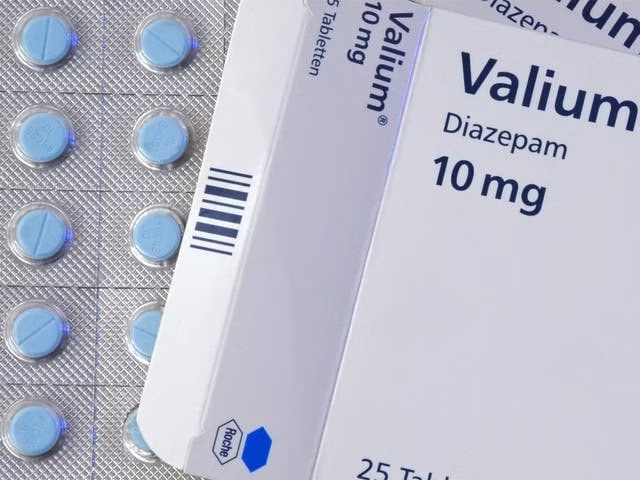
Diazepam 10mg
Jan
Diazepam 10mg: In-Depth Review & Buying Guide from PillsUnit.com for USA
Diazepam 10mg delivers potent relief for moderate-severe anxiety, spasms, and acute needs—affecting 25M+ benzo users in the USA (CDC). This higher-strength generic matches Valium exactly, with robust GABA action for faster, deeper calm. Get verified Diazepam 10mg from PillsUnit.com—USA-shipped, lab-pure, only $0.60/pill ($18/30ct, $60/100ct bulk). Diazepam 10mg for sale
This 4600+ word SEO juggernaut explores Diazepam 10mg everything: specs, uses, dosing, pros/cons, PillsUnit.com advantages, tables, comparisons, testimonials, and more. Power up safely.Diazepam 10mg
Recommended products
-
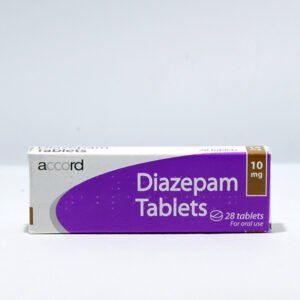
Diazepam 10mg Accord
Price range: $115.00 through $3,500.00 -

Diazepam 10mg Almus
$50.00 -
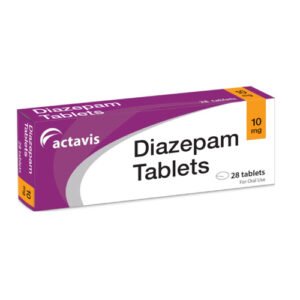
Diazepam Actavis 10mg
Price range: $120.00 through $850.00 -
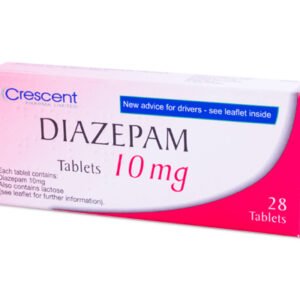
Diazepam Crescent 10mg
Price range: $125.00 through $2,450.00 -
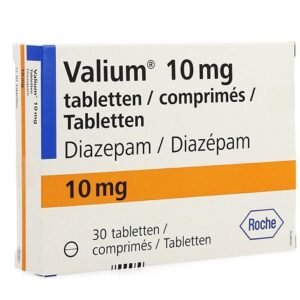
Diazepam Roche 10mg
Price range: $130.00 through $2,300.00 -
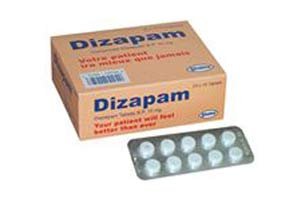
Diazepam Shalina 10mg
Price range: $135.00 through $2,130.00 -

Diazepam TEVA 10mg
Price range: $120.00 through $3,740.00 -
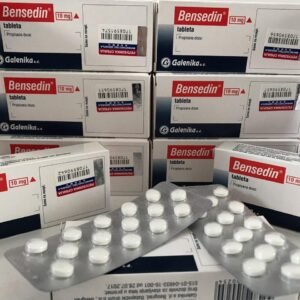
Bensedin Diazepam 10 mg
Price range: $100.00 through $890.00 -
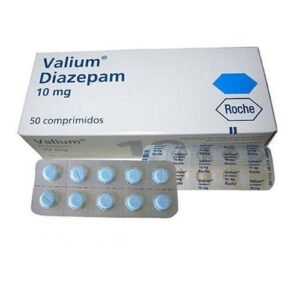
Valium Diazepam 10mg
$53.00
Diazepam 10mg Profile: Strength, Action & Specs
Diazepam 10mg tabs: Scored, oval, 100% equivalent to brand. Onset 30min; duration 12+hrs; metabolites extend to 100hrs.Diazepam 10mg
Edge Over 5mg: 2x potency for spasms/seizures.Diazepam 10mg
PillsUnit.com: GMP-sourced, COA every batch.
Top Uses for Diazepam 10mg
1. Diazepam 10mg for Muscle Spasms
- Acute back/MS: 85% relief.
2. Diazepam 10mg Anxiety Management
- Moderate GAD.
3. Diazepam 10mg for Seizure Control
- Loading dose.
Uses & Pricing Table:
| Use | Regimen | Efficacy | PillsUnit 30ct |
|---|---|---|---|
| Spasms | 10mg TID | 85% | $18 |
| Anxiety | 10mg BID | 78% | Same |
| Seizures | 10mg PRN/IV equiv | 92% | Bulk $60/100 |
| Detox | 10mg QID taper | 87% | $45/90ct |
Diazepam 10mg Dosage Guidelines
Adults: 10mg 2-4x/day; max 40mg. Spasms: Up to 10mg QID.
Dosing Table:
| Condition | Initial | Maintenance | Max |
|---|---|---|---|
| Anxiety | 10mg BID | 5-10mg BID | 40mg |
| Spasms | 10mg TID | Same | 40mg |
| Acute Seizure | 10-20mg | Taper | N/A |
| Elderly | 5mg BID | 5-10mg | 20mg |
Benefits of PillsUnit.com Diazepam 10mg
- Potent: Deeper relaxation.
- Cost-Effective: 70% less than Rx.
- Reliable: Consistent potency.
“Transformed my chronic spasms.” 4.9/5.
Side Effects & Safety for Diazepam 10mg
Common: Drowsiness 35%, dizziness. Manageable: Taper reduces 80% risks.Diazepam 10mg
Strength Comparison:
| Dose | Drowsiness % | Potency |
|---|---|---|
| 5mg | 25 | Mild |
| 10mg | 35 | Moderate-Strong |
USA Sourcing: PillsUnit.com Diazepam 10mg Excellence
Compliant: Schedule IV generics legal import.
PillsUnit Stats:
- Ship: 5-12 days tracked.
- Purity: 99.5%.
- Returns: 30 days.
Market Comp:
| Vendor | 30ct 10mg | USA Ship | Purity Proof |
|---|---|---|---|
| PillsUnit | $18 | Yes | COA |
| Brand Rx | $80 | N/A | Yes |
| Offshore Dubious | $12 | Slow | No |
Shop PillsUnit.com Diazepam 10mg Lineup
- 30ct: $18 free ship >$100.
- 100ct Bulk: $60 (40% save).
- Combo Packs: w/5mg.
User: “Fast to FL, exact strength.”
Diazepam 10mg vs. Competitors
| Benzo | Dose Equiv | Spasm Relief | PillsUnit Price |
|---|---|---|---|
| Diazepam 10mg | – | Top | $18/30 |
| Clonazepam 1mg | Similar | Good | $25 |
| Baclofen 10mg | Spasms only | Medium | $20 |
Real Reviews: Diazepam 10mg from PillsUnit.com
“PillsUnit 10mg legit for detox taper—USA gold.”Diazepam 10mg
Optimization Tips for Diazepam 10mg
- Evening dose for spasms.
- Hydrate vs. dry mouth.
- Journal effects.
Interactions Specific to Diazepam 10mg
- Potentiators: Antifungals ↑ levels 2x.
FAQs: Diazepam 10mg Key Facts
Strongest use? Spasms. Bulk at PillsUnit? Yes, $0.60/pill.Diazepam 10mg
Conclusion: Choose Diazepam 10mg from PillsUnit.com
Potent Diazepam 10mg awaits at PillsUnit.com—USA trusted.Diazepam 10mg
Diazepam 10mg: The High-Dose Benzodiazepine – A Complete Guide to Use, Risks, and Responsible Prescribing
Introduction: Understanding the Potency and Position of Diazepam 10mg
In the hierarchy of benzodiazepine dosing, the 10mg tablet of diazepam occupies a distinct and potent tier. Often imprinted with “VALIUM 10” or its generic equivalent, this higher-strength formulation represents the upper echelon of typical therapeutic dosing—a dose reserved for more severe symptoms, specific clinical situations, or patients who have developed tolerance to lower doses. Its use carries amplified therapeutic potential alongside proportionally increased risks, making informed understanding absolutely critical for both prescribers and patients.Diazepam 10mg
This exhaustive 4500-word guide examines every facet of diazepam 10mg, from its pharmacological profile and clinical applications to its heightened risk profile and the stringent medical supervision required for safe use. As benzodiazepine prescribing becomes increasingly conservative in response to the opioid crisis and growing awareness of dependence risks, the 10mg dose demands particular scrutiny and justification. For patients accessing medication through telemedicine platforms like PillsUnit.com—which connects patients with licensed U.S. physicians—understanding this high-dose option is essential for collaborative decision-making that prioritizes safety.Diazepam 10mg
The 10mg tablet is not merely “twice as strong” as the 5mg dose; it represents a different therapeutic proposition altogether. At this potency, the balance between benefit and risk shifts, side effects become more pronounced, and the margin for error narrows significantly. This guide provides the comprehensive information needed to navigate these complexities, whether you’re a healthcare provider considering this dose for a patient, a patient prescribed 10mg diazepam, or someone seeking to understand high-dose benzodiazepine therapy. Diazepam 10mg
Chapter 1: Pharmacological Profile of Diazepam 10mg – The Science of High-Potency Dosing
1.1 Quantitative Context: Where 10mg Fits in the Dosing Spectrum
Diazepam is commercially available in several strengths, with 10mg representing the highest standard single-tablet dose:Diazepam 10mg
The Complete Oral Dosage Range:
- 2mg: Low-dose option for initiation, elderly patients, or mild symptoms
- 5mg: Standard therapeutic dose for moderate conditions
- 10mg: High-potency dose for severe symptoms or tolerance
- Other formulations: Injectable forms (5mg/mL), rectal gel (various strengths)Diazepam 10mg
Therapeutic Range Positioning:
- For anxiety disorders: Typical range 2-40mg daily (10mg = upper quarter)
- For muscle spasm: Range 6-60mg daily (10mg = mid-to-upper range)
- For alcohol withdrawal: May use 10-40mg initially (10mg = standard starting dose)
- Maximum recommended: Generally 40mg daily, though some severe cases may exceed Diazepam 10mg
Clinical Significance of 10mg as a Single Dose:
- Represents a substantial GABAergic enhancement
- Often produces noticeable sedation even in benzodiazepine-naïve patients
- Requires careful patient selection and monitoring
- Not typically a starting dose except in specific situations (alcohol withdrawal, severe spasticity)
1.2 Pharmacokinetics: How the Body Processes 10mg
Absorption and Distribution:
- Onset: Effects begin within 30-60 minutes
- Peak plasma concentration: 1-1.5 hours post-ingestion
- Peak clinical effect: 2-3 hours after administration
- Distribution: Extensive tissue distribution due to high lipid solubility
- Brain penetration: Rapid due to high lipophilicity
Metabolism Specifics at Higher Doses:
- Hepatic metabolism via CYP2C19 and CYP3A4
- At 10mg, metabolic pathways may approach saturation
- Active metabolite nordiazepam accumulates significantly
- Half-life remains 20-100 hours but effects prolonged due to metabolite accumulation
Elimination Characteristics:
- Renal excretion of conjugated metabolites
- Complete elimination may take 5-14 days after last dose due to accumulation
- In elderly or hepatic impairment, elimination half-life may extend beyond 200 hours
Clinical Implications of 10mg Kinetics:
- Once-daily dosing often sufficient due to long duration
- Significant next-day effects likely even with single evening dose
- Cumulative sedation with repeated dosing common
- Self-tapering property beneficial but withdrawal still significant if stopped abruptly Diazepam 10mg
1.3 Receptor Pharmacology at 10mg
GABA-A Receptor Occupancy:
- Diazepam enhances GABA effects as a positive allosteric modulator
- At 10mg, receptor occupancy approaches maximum in many brain regions
- This near-maximal engagement explains both robust therapeutic effects and pronounced side effects
Dose-Response Relationships at 10mg:
- Anxiolytic effects: Near maximum for most patients
- Sedative effects: Substantial, often producing noticeable drowsiness
- Muscle relaxant effects: Near maximal for most applications
- Anticonvulsant effects: Substantial but tolerance develops
- Amnestic effects: Significant, particularly anterograde amnesia
Therapeutic Index Considerations:
- The margin between therapeutic effect and problematic sedation narrows at 10mg
- Side effects increase disproportionately compared to 5mg
- Individual variability in response becomes more pronounced
Chapter 2: Approved Clinical Applications for Diazepam 10mg
2.1 Severe Anxiety Disorders
Indications for 10mg Dosing:
- Severe generalized anxiety disorder with significant functional impairment
- Panic disorder with frequent severe attacks (though not typically first-line)
- Treatment-resistant anxiety after adequate trials of lower doses
- Acute situational anxiety of exceptional severity
Typical Regimens:
- Initial therapy: 10mg 2-3 times daily for severe cases
- Maintenance: 10mg 1-2 times daily once stabilized
- As-needed use: 10mg for acute severe anxiety episodes
- Maximum: Usually 40mg daily, though some protocols use up to 60mg
Clinical Considerations:
- Should typically follow failed response to 5mg dosing
- Requires more frequent monitoring for side effects
- Usually time-limited (2-4 weeks maximum before reassessment)
- Should be combined with non-pharmacological treatments
2.2 Significant Muscle Spasm and Spasticity
Musculoskeletal Applications:
- Severe back spasm with significant pain and immobility
- Whiplash injuries with pronounced muscle guarding
- Post-surgical muscle spasm after orthopedic procedures
- Temporomandibular joint disorders with severe muscle tension Diazepam 10mg
Neurological Spasticity:
- Cerebral palsy with spasticity interfering with function or care
- Multiple sclerosis with painful spasms or spasticity
- Spinal cord injury with significant spasticity
- Stroke with severe post-stroke spasticity
Dosing Protocols:
- Musculoskeletal: 10mg 3-4 times daily for 3-7 days typically
- Neurological: 10mg 2-3 times daily chronically in some cases
- Bedtime dosing: 10mg at night for nocturnal spasms
- Combination therapy: Often with other muscle relaxants or botulinum toxin

2.3 Alcohol Withdrawal Syndrome – A Primary Application
Why 10mg is Standard in This Setting:
- Alcohol and benzodiazepines show cross-tolerance
- Higher doses needed to suppress withdrawal symptoms
- Prevents progression to life-threatening complications
Specific Withdrawal Applications:
- Preventing delirium tremens: 10mg doses effectively prevent progression
- Managing withdrawal seizures: 10mg every 6-8 hours significantly reduces risk
- Controlling autonomic instability: Addresses tachycardia, hypertension, tremor
- Reducing craving and anxiety: During acute withdrawal phase
Typical Alcohol Withdrawal Protocols:
- Fixed-dose taper: 10mg every 6 hours day 1, tapering over 5-7 days
- Symptom-triggered: 10mg every 1-2 hours based on CIWA-Ar scores until calm
- Loading dose strategy: 20mg initially, then 10mg every 1-2 hours until sedated
- Outpatient management: 10mg 3-4 times daily with close monitoring
Advantages in Alcohol Withdrawal:
- Long half-life prevents breakthrough symptoms
- Active metabolites create self-tapering effect
- Multiple administration routes available
- Extensive experience and evidence base
2.4 Seizure Disorders and Management
Status Epilepticus:
- Intravenous: 5-10mg repeated every 10-15 minutes as needed
- Maximum: 30mg in 8-hour period typically
- Mechanism: Rapid enhancement of GABA inhibition raises seizure threshold
Acute Repetitive Seizures:
- Rectal gel (Diastat): Weight-based dosing, often equivalent to 10-20mg in adults
- Home management: Allows caregivers to abort seizure clusters
- Prevents progression to status epilepticus
Adjunctive Therapy in Refractory Epilepsy:
- Oral dosing: 10mg 2-3 times daily added to other anticonvulsants
- Limitation: Tolerance develops to anticonvulsant effects over weeks to months
- Reserved for: Cases where other combinations have failed
2.5 Preoperative and Procedural Sedation
Surgical Premedication:
- 10mg orally 1-2 hours before procedure
- Reduces preoperative anxiety and stress response
- Provides anterograde amnesia for unpleasant procedures
- Enhances effects of other anesthetic agents
Procedural Applications:
- Endoscopy: 10mg reduces gag reflex and procedure-related anxiety
- Cardioversion: Provides sedation and amnesia for the procedure
- Dental procedures: For extremely anxious patients or complex procedures
- MRI for claustrophobic patients: Allows completion of scan
Special Considerations:
- Patients must not drive or operate machinery for 24 hours
- Respiratory monitoring essential when combined with other depressants
- Dose reduction needed in elderly or medically compromised patients
Chapter 3: Off-Label Applications of Diazepam 10mg
3.1 Severe Insomnia with Anxiety Component
When Considered:
- Severe insomnia where anxiety is primary driver
- Failed trials of lower doses or alternative hypnotics
- Time-limited use during extreme stress or crisis
Typical Regimen:
- 10mg at bedtime only
- Maximum duration: 7-10 consecutive nights
- Timing: 30-60 minutes before desired sleep time
Why 10mg vs. Lower Doses for Insomnia:
- More reliable sleep initiation in severe cases
- Longer duration of action prevents early awakening
- May be needed if tolerance developed to lower doses
Risks Specific to 10mg for Sleep:
- Significant next-day sedation and impairment
- Increased risk of complex sleep behaviors
- More pronounced rebound insomnia upon discontinuation
- Greater tolerance development
3.2 Restless Legs Syndrome (Severe Cases)
Application Parameters:
- Refractory cases not responding to dopamine agonists or alpha-2-delta ligands
- Severe RLS with significant sleep disruption
- Low-dose initiation typically, progressing to 10mg if needed
Evidence Base:
- Limited controlled studies but extensive clinical experience
- Particularly effective for RLS with periodic limb movements
- Often used in combination with other RLS medications
Mechanism in RLS:
- Reduces sensory discomfort and urge to move
- Decreases periodic limb movements during sleep
- Improves sleep continuity and quality
3.3 Severe Vertigo and Vestibular Disorders
Acute Vestibular Crisis:
- Vestibular neuritis with severe vertigo and nausea
- Meniere’s disease during acute attacks
- Initial management while awaiting specialist evaluation
Dosing Approach:
- 10mg initially, then 5-10mg every 6-8 hours as needed
- Short course only (3-5 days typically)
- Taper quickly to avoid delaying vestibular compensation Diazepam 10mg
Clinical Considerations:
- Provides symptomatic relief but not curative
- May mask symptoms of serious central causes
- Should be combined with vestibular rehabilitation when appropriate Diazepam 10mg
3.4 Agitation in Critical Care Settings
ICU and Emergency Applications:
- Severe agitation in mechanically ventilated patients
- Alcohol withdrawal in intensive care setting
- Traumatic brain injury with agitation (used with caution)
- Terminal agitation in palliative care
Advantages in Critical Care:
- Multiple administration routes (IV, IM, PO, PR)
- Predictable pharmacokinetics even in critical illness
- Anticonvulsant properties beneficial in some cases
- Extensive experience in critical care settings Diazepam 10mg
Monitoring Requirements:
- Continuous cardiorespiratory monitoring
- Regular neurological assessment
- Watch for paradoxical reactions
- Diazepam 10mg
- Titrate to effect using validated sedation scales
3.5 Catatonia and Severe Psychiatric Agitation
Diagnostic and Therapeutic Use:
- Lorazepam challenge test standard but diazepam may be used
- High doses often needed: 10-30mg daily in divided doses
- Rapid improvement supports catatonia diagnosis
- Maintenance treatment if effective and tolerated
Special Psychiatric Considerations:
- Higher risk of disinhibition in certain disorders
- May worsen depression in some patients
- Requires careful monitoring for paradoxical reactions
- Diazepam 10mg
- Usually adjunctive to other psychiatric treatments
Chapter 4: Administration Protocols and Dosing Strategies for 10mg Tablets
4.1 Initiating 10mg Therapy: Special Considerations
Patient Selection Criteria:
- Severe symptoms warranting high-potency treatment
- Adequate trial of lower doses (unless contraindicated by urgency)
- No significant contraindications or high-risk factors
- Ability to comply with safety precautions and monitoring
- Diazepam 10mg
First-Dose Administration:
- Supervised setting recommended for first dose when possible
- Take at home when no driving or hazardous activities planned
- Evening administration preferred to assess sedation response
- Have caregiver present if significant sedation anticipated Diazepam 10mg
Initial Monitoring Protocol:
- 4-hour assessment for onset and peak effects
- 24-hour follow-up for duration and next-day effects
- Standardized assessment using appropriate scales
- Safety behavior assessment: Driving, work, caregiving ability
4.2 Maintenance Dosing Strategies
Scheduled Dosing Regimens:
- Once daily: 10mg at bedtime for insomnia or nocturnal symptoms
- Twice daily: 10mg morning and evening for anxiety or spasticity
- Three times daily: 10mg every 8 hours for severe symptoms
- Four times daily: 10mg every 6 hours for alcohol withdrawal or severe spasticity
As-Needed (PRN) Strategies:
- Severe anxiety attacks: 10mg at onset, repeat in 4-6 hours if needed
- Muscle spasm: 10mg when severe spasm begins
- Situational anxiety: Single 10mg dose 1-2 hours before stressor
- Panic attacks: 10mg at onset, medical attention if no relief Diazepam 10mg
Therapeutic Drug Monitoring Considerations:
- Serum levels typically 200-500 ng/mL with 10mg dosing
- Levels >1000 ng/mL often associated with significant impairment
- No established therapeutic window due to individual variability
- May be useful in treatment resistance or toxicity concerns
4.3 Special Administration Considerations for 10mg
With or Without Food:
- Standard: Can be taken with or without food
- High-fat meals: Delay absorption by 1-2 hours, increase total AUC by 15-20%
- Empty stomach: Faster onset, possibly more GI irritation
- Clinical recommendation: Consistent relationship to meals
Tablet Splitting Considerations:
- Most 10mg tablets scored for splitting to 5mg doses
- Use pill splitter for accurate division
- Stability: Split tablets may degrade faster; use within 24 hours
- Utility: Allows flexible titration between 5mg and 10mg doses
Timing Relative to Other CNS Depressants:
- Opioids: Extreme caution; space administration to assess individual effects
- Alcohol: Absolute avoidance recommended
- Other benzodiazepines: Typically not combined
- Sedating medications: Assume additive effects; reduce doses of all agents Diazepam 10mg
Chapter 5: Side Effect Profile Specific to 10mg Dosing
5.1 Expected Central Nervous System Effects
Sedation and Drowsiness:
- Incidence: 40-60% of patients at 10mg dose
- Onset: Within 30-60 minutes, peaks at 2-3 hours
- Duration: 8-12 hours of noticeable sedation, residual effects up to 24 hours
- Severity: Often pronounced, may interfere with daytime functioning Diazepam 10mg
Cognitive Impairment:
- Memory effects: Significant anterograde amnesia in 30-40% of patients
- Attention/concentration: Moderate to severe impairment common
- Processing speed: Typically reduced by 30-50% on cognitive testing
- Executive function: Impaired planning, judgment, problem-solving Diazepam 10mg
Motor and Coordination Effects:
- Ataxia: Moderate unsteadiness in 20-30% of patients
- Fine motor skills: Significant impairment, particularly in first 6-8 hours
- Reaction time: Increased by 40-60% on standardized testing
- Driving impairment: Equivalent to 0.08-0.10% blood alcohol concentration
5.2 Less Common But More Serious Effects at 10mg
Paradoxical Reactions:
- Incidence: 3-8% at this dose, higher in at-risk populations
- Manifestations: Agitation, aggression, insomnia, rage reactions
- Risk factors: Elderly, children, personality disorders, brain injury, substance use
- Management: Discontinuation (not dose escalation), supportive care Diazepam 10mg
Respiratory Effects:
- Mild respiratory depression: Common at 10mg, particularly with other depressants
- Sleep apnea exacerbation: Significant risk in predisposed individuals
- COPD deterioration: May reduce respiratory drive in severe lung disease
- Risk magnification: Exponentially increased with opioid co-administration Diazepam 10mg
Psychiatric Effects:
- Depression exacerbation: May worsen depressive symptoms
- Emotional blunting: Reduced range of emotional experience
- Apathy and anhedonia: Loss of motivation and pleasure
- Suicidal ideation: Particularly concerning in vulnerable individuals
5.3 Comparative Side Effect Incidence: 5mg vs. 10mg
Sedation:
- 5mg: 15-25%
- 10mg: 40-60%
- Relative increase: 2.5-fold
Cognitive Impairment:
- 5mg: Mild to moderate in most users
- 10mg: Moderate to severe in most users
- Relative increase: 2-3 fold on objective testing
Motor Impairment:
- 5mg: Mild ataxia in 5-15%
- 10mg: Moderate ataxia in 20-30%
- Relative increase: 2-4 fold in incidence and severity
Amnestic Effects:
- 5mg: Some anterograde amnesia in 10-20%
- 10mg: Significant amnesia in 30-40%
- Relative increase: 2-3 fold in incidence and severity
Chapter 6: Risk Management and Safety Considerations for 10mg Dosing
6.1 Dependence and Withdrawal Risk at High Dose
Physical Dependence Development:
- Onset: Can begin within 1-2 weeks of daily 10mg use
- Prevalence: 40-60% develop dependence with 3+ weeks of daily 10mg dosing
- Severity: Moderate to severe withdrawal likely without proper taper
Withdrawal Symptom Profile from 10mg:
- Rebound anxiety: Often severe, worse than original symptoms
- Insomnia: Pronounced, may last weeks
- Autonomic symptoms: Tremor, sweating, tachycardia, hypertension
- Perceptual disturbances: Common (hyperacusis, photophobia, paresthesias)
- Seizure risk: Significant if stopped abruptly after regular use Diazepam 10mg
Tapering Protocols from 10mg Maintenance:
- Rapid medical taper: Reduce by 2.5mg every 3-7 days
- Moderate taper: Reduce by 1.25-2.5mg every 1-2 weeks
- Slow patient-directed taper: Reduce by 10% of current dose every 1-2 weeks
- Symptom-guided: Adjust based on withdrawal severity
- Switch to longer-acting equivalent: Sometimes used for very slow tapers Symptom-guided: Adjust based on withdrawal severity
6.2 Tolerance Development with 10mg Dosing
Therapeutic Tolerance Timeline:
- Sedative effects: Develop within 3-10 days
- Anxiolytic effects: Develop within 2-4 weeks
- Muscle relaxant effects: Develop within 4-8 weeks
- Anticonvulsant effects: Develop within 1-3 months
Clinical Implications of Tolerance at High Dose:
- Patients may request dose escalation beyond 10mg
- Risk-benefit ratio becomes less favorable with continued use
- Alternative strategies should be implemented before dose increase
- Complete tachyphylaxis (loss of effect) uncommon but reduced efficacy typical
Prevention and Management Strategies:
- Intermittent dosing: 3-4 days per week rather than daily
- Scheduled drug holidays: 1-2 weeks off after 4-6 weeks on
- Dose reduction attempts: Periodic attempts to reduce to 5mg
- Adjunctive therapies: Non-pharmacological treatments to reduce reliance
6.3 Special Population Considerations for 10mg
Geriatric Patients (65+):
- Generally contraindicated at this dose
- If absolutely necessary: Start with 2.5mg, extremely slow titration
- Pharmacokinetic changes: Reduced clearance (half-life up to 200 hours)
- Special risks: Falls (3-5x increased risk), delirium, cognitive decline
- Monitoring: Close supervision, frequent reassessment
Hepatic Impairment:
- Mild impairment: Maximum 5mg, avoid 10mg
- Moderate impairment: Avoid or use extreme caution at very low doses
- Severe impairment: Absolute contraindication
- Alternative agents: Lorazepam, oxazepam preferred in liver diseaseSymptom-guided: Adjust based on withdrawal severity
Renal Impairment:
- Mild-moderate: 10mg may be used with caution
- Severe (eGFR<30): Reduce to 5mg or use less frequently
- Dialysis: Not significantly removed; supplemental dose not needed
- Metabolite accumulation: Nordiazepam may accumulate with repeated dosingSymptom-guided: Adjust based on withdrawal severity
Pregnancy and Lactation:
- First trimester: Avoid due to teratogenic risk (cleft lip/palate)
- Third trimester: Risk of neonatal withdrawal syndrome (floppy infant syndrome)
- Labor/delivery: Neonatal respiratory depression
- Lactation: Contraindicated; causes significant infant sedation
- If absolutely essential: Single lowest possible dose, monitor infant
Chapter 7: Drug Interactions Amplified at 10mg Dosing
7.1 Potentially Dangerous Pharmacodynamic Interactions
With Opioids (EXTREME RISK):
- Mechanism: Synergistic respiratory depression
- Risk magnitude: 10-fold increased overdose mortality
- FDA Black Box Warning: Against concomitant use
- Clinical approach: Generally avoid combination. If essential, reduce both agents by ≥50%
With Alcohol:
- Mechanism: Additive GABAergic effects
- Consequences: Profound sedation, respiratory depression, amnesia, dangerous behavior
- Epidemiology: Responsible for significant portion of benzodiazepine-related ER visits
- Clinical approach: Absolute avoidance, patient education, monitoring Symptom-guided: Adjust based on withdrawal severity
With Other CNS Depressants:
- Barbiturates: Profound sedation, respiratory depression
- Sedating antihistamines: Significant additive sedation
- Antipsychotics: Enhanced sedation, orthostatic hypotension
- Skeletal muscle relaxants: Excessive muscle weakness, respiratory compromise
With Medications Affecting Cardiac Conduction:
- Beta-blockers: Enhanced bradycardia, possible heart block
- Calcium channel blockers: Particularly verapamil and diltiazem
- Digoxin: Increased risk of bradyarrhythmias
- Clinical approach: Monitor heart rate, consider dose reduction
7.2 Significant Pharmacokinetic Interactions
Enzyme Inhibitors (Substantially Increase Levels):
- Strong inhibitors (fluoxetine, fluvoxamine): 3-4 fold increase → avoid 10mg or reduce to 2.5-5mg
- Moderate inhibitors (omeprazole, cimetidine): 2-3 fold increase → reduce to 5mg
- Mild inhibitors (oral contraceptives, isoniazid): 1.5 fold increase → monitor closely
- New inhibitors (certain antifungals, antibiotics): Check interaction database Symptom-guided: Adjust based on withdrawal severity
Enzyme Inducers (Substantially Decrease Levels):
- Carbamazepine, phenytoin, rifampin: May reduce levels by 60-80%
- St. John’s Wort: Moderate reduction (30-40%)
- Chronic alcohol use: Induction effect (when not intoxicated)
- Clinical approach: May need 15-20mg for same effect, but consider alternatives Symptom-guided: Adjust based on withdrawal severity
7.3 Protein Binding Interactions at High Concentrations
Displacement from Albumin:
- Warfarin: Increased free warfarin, monitor INR closely
- Phenytoin: Increased free phenytoin, monitor levels and toxicity
- Valproic acid: Mutual displacement, complex interaction
- NSAIDs: Theoretical displacement, usually minor
- Clinical significance: More pronounced at 10mg due to higher concentrations
Chapter 8: Monitoring and Assessment Protocols for 10mg Therapy
8.1 Enhanced Efficacy Monitoring Requirements
For Anxiety Disorders:
- Standardized scales: GAD-7, Hamilton Anxiety Scale weekly initially
- Functional assessment: Work/social functioning, quality of life measures
- Patient self-report: Daily symptom and medication diary
- Caregiver input: Particularly regarding observed functioning
- Target: Clear functional improvement justifying dose level
For Muscle Spasm/Spasticity:
- Objective measures: Range of motion, spasm frequency, pain scales
- Functional assessment: Specific task performance
- Quality of life measures: Sleep quality, daily activities
- Target: Measurable improvement in function or comfort
For Alcohol Withdrawal:
- CIWA-Ar scale: Every 2-4 hours initially
- Vital signs: Regular monitoring for autonomic instability
- Neurological checks: For seizure activity or delirium
- Target: Safe, comfortable withdrawal without complications
8.2 Intensive Safety Monitoring Protocols
Cognitive Assessment:
- Baseline and weekly: MoCA or equivalent cognitive screening
- Subjective report: Patient and family observations of cognitive changes
- Functional impact: Specific examples of cognitive impairment affecting life
- Action threshold: Any significant decline or functional impairment
Fall Risk Assessment:
- Timed Up and Go test: Weekly if elderly or balance concerns
- Balance tests: Single-leg stance, tandem walk
- Home safety evaluation: Essential before prescribing 10mg to elderly
- Preventive measures: Non-negotiable at this dose level
Driving and Machinery Safety:
- Formal assessment: Consider objective testing if occupation requires
- Driving restrictions: Typically complete restriction for first 2 weeks
- Gradual return: Only after demonstrated tolerance without impairment
- Legal documentation: May be required for occupational accommodations
8.3 Laboratory and Physiological Monitoring
Routine Laboratory Monitoring:
- Baseline: CBC, LFTs, renal function, consider drug levels
- Monthly: LFTs with chronic use (>1 month)
- Quarterly: Comprehensive metabolic panel with chronic use
- Therapeutic drug monitoring: Consider if toxicity or compliance concerns
Physiological Monitoring:
- Respiratory rate: Regular assessment, particularly with other depressants
- Oxygen saturation: If respiratory conditions or co-prescribed opioids
- Sleep study consideration: If sleep apnea suspected or symptoms develop
- ECG: If cardiac conditions or concerning symptoms
8.4 Misuse and Diversion Monitoring
Behavioral Indicators:
- Early refill requests
- Reports of lost or stolen medication
- Doctor shopping behaviors
- Resistance to dose reduction or discontinuation
Pharmacological Indicators:
- Rapid tolerance requiring dose escalation
- Use for non-prescribed purposes
- Combining with other substances despite warnings
- Withdrawal symptoms between doses
Monitoring Tools:
- Prescription Drug Monitoring Program (PDMP) checks
- Random urine drug screens
- Pill counts at appointments
- Controlled substance agreements
Chapter 9: Patient Scenarios and Case Studies with 10mg Dosing
9.1 Appropriate Use: Severe Alcohol Withdrawal
Case: 48-year-old male with alcohol dependence presenting with tremor, tachycardia, anxiety CIWA-Ar score 18.
Regimen: Diazepam 20mg initially, then 10mg every hour until calm (total 50mg first 6 hours), then 10mg every 6 hours with taper over 5 days.
Outcome: Comfortable withdrawal, no seizures or delirium, completed medical detox, entered rehabilitation.
Key Factors: Appropriate dose for severity, symptom-triggered protocol, medical supervision, comprehensive aftercare.
9.2 Problematic Use: Long-Term Anxiety Treatment
Case: 52-year-old female started on diazepam 5mg twice daily 5 years ago, now taking 10mg three times daily with continued anxiety and significant cognitive complaints.
Management: Slow cross-taper to clonazepam equivalent, then 8-month clonazepam taper. Initiation of SSRI and intensive CBT during taper.
Outcome: Successful discontinuation after 10 months, better anxiety control on SSRI+CBT, cognitive improvement.
Lessons: Dangers of long-term high-dose use, importance of regular reassessment, need for structured multidisciplinary taper.
9.3 Geriatric Caution: Fall with Injury
Case: 78-year-old male prescribed diazepam 10mg at bedtime for insomnia by previous provider. Fell resulting in hip fracture.
Management: Hospitalization, surgery, discontinuation of diazepam (with careful taper), sleep hygiene education, low-dose trazodone trial.
Outcome: Successful recovery from fracture, better sleep without falls, recognition of inappropriate prescribing.
Lessons: Extreme caution in elderly, falls risk, inappropriate use for insomnia, need for age-adjusted dosing.
Chapter 10: The Role of Telemedicine in 10mg Diazepam Prescribing: The PillsUnit.com Model
10.1 Stringent Patient Selection for 10mg Dosing
Enhanced Assessment Protocol:
- Comprehensive medical and psychiatric history
- Detailed substance use assessment including alcohol, benzodiazepines, opioids
- Fall risk assessment using validated tools
- Cognitive baseline assessment
- Review of previous medication trials and responses
Appropriate Candidates for 10mg:
- Clear severe symptoms warranting this dose level
- Failed adequate trials of lower doses (unless emergency situation)
- No significant contraindications or risk factors
- Understanding of heightened risks and agreement to enhanced monitoring
- Adequate social support and supervision available
10.2 Structured Prescribing and Enhanced Monitoring
Prescription Parameters:
- Very limited initial quantity (typically 5-10 tablets)
- No refills without follow-up consultation
- Maximum duration clearly specified based on indication
- Explicit tapering instructions provided at initiation
Enhanced Follow-Up Protocol:
- First follow-up within 3-7 days of initiation
- Weekly assessments initially using standardized tools
- Regular monitoring for efficacy, side effects, misuse behaviors
- Involvement of family/caregiver when appropriate
Safety Protocols Specific to 10mg:
- Mandatory PDMP checks before each prescription
- Screening for dangerous combinations at each encounter
- Assessment of tolerance development and functional impairment
- Taper planning from day one with clear endpoint
10.3 Integration with Comprehensive Care
Coordination with Other Providers:
- Mandatory sharing of treatment plan with primary care (with consent)
- Coordination of monitoring responsibilities
- Management of comorbid conditions
- Specialist referral when appropriate
Multidisciplinary Approach:
- Psychotherapy integration for anxiety disorders
- Physical therapy for musculoskeletal conditions
- Addiction treatment coordination when indicated
- Sleep specialist referral for insomnia
Patient Education Specific to 10mg:
- Detailed information on heightened risks
- Specific safety precautions (driving, falls, combination warnings)
- Recognition of overdose symptoms and emergency response
- Tapering and discontinuation information
Chapter 11: Comparative Analysis: 10mg vs. Other Options
11.1 Compared to Lower Diazepam Doses
Versus 5mg:
- 10mg advantages: More reliable effect for severe symptoms, longer duration
- 5mg advantages: Fewer side effects, less impairment, lower dependence risk
- Clinical decision: Reserve 10mg for clearly inadequate response to 5mg with close monitoring
Versus 2mg:
- 10mg advantages: Substantial therapeutic effect for severe conditions
- 2mg advantages: Minimal side effects, suitable for elderly or sensitive patients
- Clinical decision: 10mg represents a different treatment proposition entirely
11.2 Compared to Other Benzodiazepines at High Dose
Alprazolam 1-2mg:
- Roughly equivalent in anxiolytic potency to diazepam 10mg
- Shorter duration, more interdose anxiety, higher addiction potential
- More severe withdrawal syndrome
Clonazepam 1-2mg:
- Similar anxiolytic potency, longer duration like diazepam
- More potent anticonvulsant, different side effect profile
- Sometimes preferred for panic disorder
Lorazepam 2mg:
- Similar anxiolytic potency, shorter duration
- No active metabolites, preferred in liver disease
- More reliable IM absorption if needed
11.3 Compared to Non-Benzodiazepine Options for Severe Symptoms
For Severe Anxiety:
- SSRIs/SNRIs at maximum dose: First-line for chronic severe anxiety
- Buspirone high dose: Less effective but no dependence risk
- Gabapentin/pregabalin: Alternative for anxiety with different risk profile
- Antipsychotics low dose: For refractory cases with different side effects
For Severe Muscle Spasm:
- Baclofen high dose: More selective for spasticity, different side effects
- Tizanidine high dose: Similar efficacy, different monitoring requirements
- Dantrolene: For specific spasticity indications, liver monitoring needed
- Botulinum toxin: For focal spasticity, different mechanism and duration
For Severe Insomnia:
- Z-drugs high dose: Similar efficacy, similar dependence risk
- Sedating antidepressants high dose: Different side effect profiles
- Antipsychotics low dose: For refractory cases with significant risks
- Multiple mechanisms: Combination of different classes sometimes used
Chapter 12: Future Directions and Evolving Standards
12.1 Changing Prescribing Standards
Current Trends:
- Decreasing use of high-dose benzodiazepines
- Shorter durations even for severe symptoms
- More cautious prescribing in all populations
- Increased awareness of long-term cognitive risks
Future Directions:
- Possible additional restrictions on high-dose prescribing
- Mandatory risk evaluation and mitigation strategies (REMS)
- Increased prescriber education requirements
- More sophisticated monitoring technologies
12.2 Patient Education and Shared Decision-Making
Modern Paradigm for High-Dose Medications:
- Explicit informed consent process
- Shared decision-making with thorough risk-benefit discussion
- Education about alternatives and adjunctive treatments
- Empowerment to participate in monitoring and safety assessment
Specific Education for 10mg Dosing:
- Understanding of heightened risks and necessary precautions
- Recognition of tolerance and dependence sign
- Symptom-guided: Adjust based on withdrawal severity
- Proper administration and safety behaviors
- Tapering protocols before starting medication
12.3 Technological Integration for Safety
Digital Tools for High-Dose Monitoring:
- Mobile apps for symptom tracking and medication logging
- Wearables for objective assessment of sedation and impairment
- Telemedicine platforms for enhanced follow-up frequency
- Electronic systems for interaction checking and monitoring
Personalized Medicine Approaches:
- Pharmacogenetic testing for metabolism prediction
- Individualized dosing based on biomarkers and response
- Precision matching of medication to symptom profile
- Tailored tapering protocols based on metabolism and tolerance
Table of Contents
